








Understanding Foam for Rifle Case
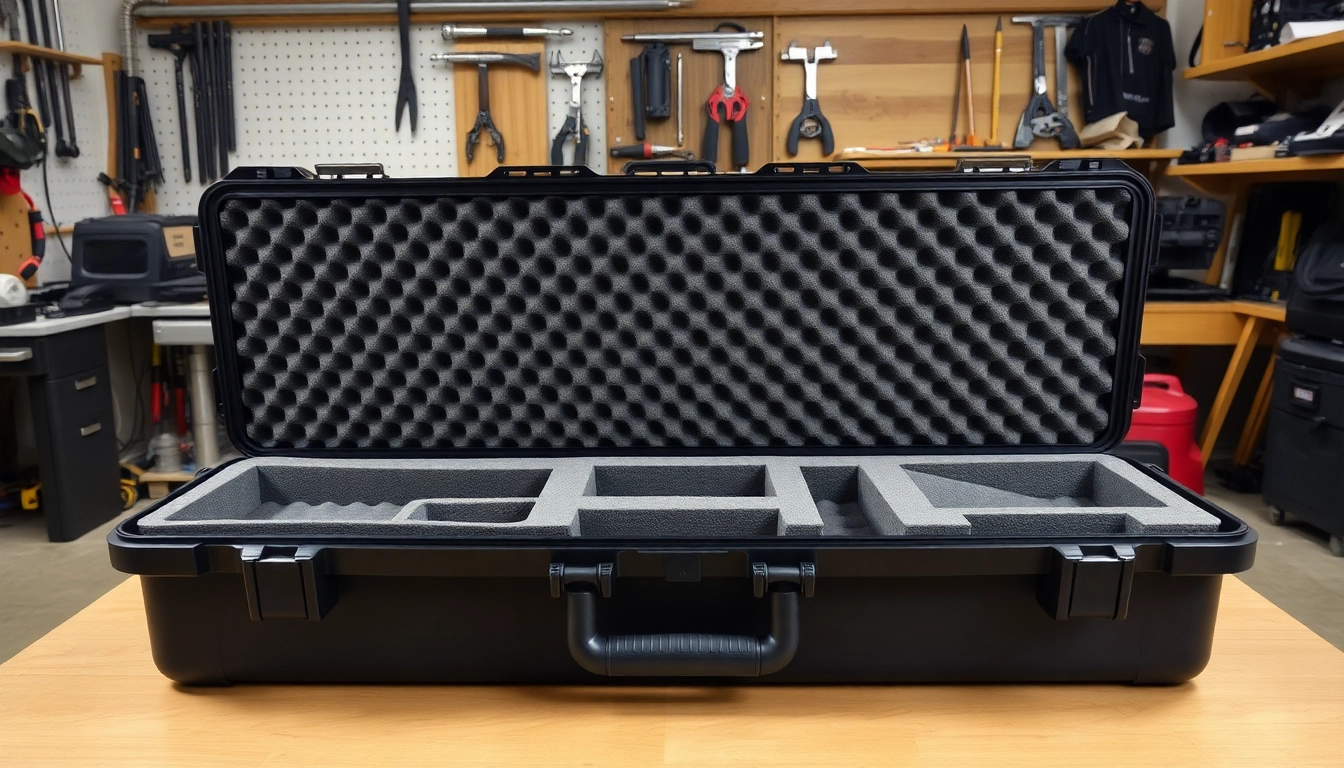
When it comes to protecting your rifle, choosing the right foam for rifle case is crucial. The right foam not only ensures your firearm’s safety but also provides optimal organization and ease of access. In this section, we’ll explore the different types of foam available for rifle cases, their benefits, and essential considerations for making the right choice.
Types of Foam for Rifle Cases
Foam for rifle cases comes in several types, each with its unique properties and applications. Understanding these types can help you choose the most suitable option for your needs:
- Polyurethane Foam: This is a popular choice due to its affordability and availability. It has a high resistance to compressive forces and provides good cushioning. However, it is less durable compared to other options.
- Polyethylene Foam: Characterized by its high density, polyethylene foam offers exceptional durability and impact resistance. It is also lightweight, making it a favored choice for serious shooters who travel frequently.
- EVA Foam: Ethylene-vinyl acetate foam provides excellent cushioning and flexibility, making it ideal for custom applications. It’s also water-resistant, adding to its protective capabilities.
- Closed-Cell Foam: This foam type is resistant to moisture, chemicals, and temperature changes. It’s perfect for extreme environments and ensures that even if the case is exposed to water, the contents remain dry.
- Open-Cell Foam: While less durable than closed-cell foam, open-cell foam is highly effective for shock absorption. It’s best for cases that don’t require extreme moisture resistance.
Benefits of Using Foam
Utilizing foam for rifle cases comes with numerous benefits, including:
- Protection: Foam effectively cushions the rifle against impact, reducing the risk of damage during transport.
- Customization: Many foam options can be cut or shaped according to the specific design of the firearm, leading to a snug fit and further security.
- Weight Reduction: Foam is typically lighter than other solid materials used for case padding, making it easier to transport your rifle.
- Noise Reduction: Foam can absorb noise, providing a quieter transport experience, which can be beneficial in hunting situations.
- Cost-Effectiveness: Foam is often a more economical choice compared to alternative padding materials, offering excellent value for the level of protection it provides.
Key Considerations
When selecting foam for your rifle case, there are several important aspects to consider:
- Fit: Ensure that the foam fits snugly in your case and around your rifle to prevent shifting during transport.
- Durability: Evaluate the durability of the foam type you choose. Higher density foams generally offer improved longevity.
- Weight: Consider how the weight of the foam will affect the overall weight of the rifle case, especially if frequent travel is expected.
- Environmental Resistance: Depending on your usage conditions, select foam that can withstand water, dust, or extreme temperatures.
- Budget: Assess your budget, as foam types vary widely in cost. Prioritizing protection and functionality can often justify higher expenditures.
How to Measure Your Rifle Case for Foam
Accurate measurements are essential to ensure the foam fits perfectly in your rifle case. Proper dimensions help avoid damage caused by movement during transport. Here is how to measure your rifle case effectively:
Measuring Techniques
To measure your rifle case accurately:
- Begin by laying the case flat on a stable surface.
- Use a tape measure to record the length, width, and height of the case, ensuring to account for any bulges or protrusions.
- For rifles with scopes or accessories, measure those features as well, noting their length and width.
- Always verify measurements twice to ensure accuracy, as even small discrepancies can lead to fitting issues.
Identifying Tricky Shapes
Some rifle cases have intricate designs that can complicate measurements. To address tricky shapes:
- Use flexible measuring tools, like a fabric measuring tape, to navigate around curves and corners.
- If applicable, sketch the outline of the case. This can help ensure that all dimensions and contours are accurately accounted for.
- Consider creating a paper template of the gun shape to aid in visualizing how the foam will fit, especially for firearms with odd dimensions.
Tools Required
To measure your rifle case effectively, gather the following tools:
- Measuring tape
- Ruler or straight edge
- Paper and pencil (for sketching if necessary)
- Scissors (if modifications are needed)
- Calipers for precision measurements (optional)
Customizing Foam for Optimal Protection
Customizing the foam in your rifle case enhances protection, ensuring a tailored fit that secures your weapon effectively. Here’s how you can customize foam for optimal protection:
Cutting Techniques
To cut foam precisely:
- Mark the desired cutting lines on the foam with a marker.
- Utilize a sharp utility knife or foam cutter for straight cuts. For more complicated shapes, consider using a hot wire foam cutter.
- Make cuts gradually to avoid tearing. Take your time to ensure clean edges.
Layering for Enhanced Safety
Layering foam can provide additional cushioning and protection. Here are key strategies:
- Use different foam types to create layers—start with a dense base layer and top it with softer foam for shock absorption.
- Consider adding a layer of closed-cell foam for moisture protection, placing it beneath your primary cushioning layer.
- Ensure each layer is cut precisely to the overall dimensions of the rifle case to avoid compression and shifting.
Finishing Touches
After cutting and layering, add some finishing touches:
- Round off any sharp edges to prevent damage to your rifle or yourself.
- Consider using adhesive spray or a foam glue to secure layers together effectively.
- Test fit the foam in the case with your rifle to ensure proper placement and adjust as necessary.
Maintaining Your Foam for Rifle Case
Proper maintenance of foam in your rifle case extends its lifespan and ensures consistent performance. Here are some tips on keeping it in excellent condition:
Cleaning Methods
Regular cleaning is essential for maintenance:
- Use a mild soap solution and water for washing. Apply it with a soft cloth to avoid damaging the foam.
- For tougher stains or odors, a gentle carpet or upholstery cleaner can be effective.
- Avoid soaking the foam and always allow it to dry thoroughly before placing it back in the case.
Longevity Tips
To ensure your foam lasts:
- Avoid exposing foam to direct sunlight for extended periods, as UV rays can degrade the material.
- Store your rifle case in a cool, dry environment to prevent moisture buildup and mold growth.
- Avoid heavy loads on top of foam to preserve its structural integrity. Always stack lighter items on the case.
Storage Recommendations
Storing your rifle case properly will protect both the case and the foam:
- Keep the case in an upright position whenever possible to prevent compression.
- If stacking cases, ensure additional weight does not impact the foam inside.
- Regularly inspect the foam for signs of wear and replace if necessary.
FAQs About Foam for Rifle Case
What is the best type of foam for rifle case?
High-density polyurethane foam is recommended for its durability and protective qualities.
Can I customize the foam in my rifle case?
Yes, foam can be cut and shaped to fit specific rifle models securely and safely.
How do I clean my foam for rifle case?
Use mild soap and water. Avoid harsh chemicals that can degrade foam material.
Is it worth investing in premium foam?
Yes, premium foam offers better protection and longevity, ensuring your firearms stay safe.
Where can I buy foam for rifle case?
Foam for rifle cases can be purchased online from specialized retailers or at sporting goods stores.