








Understanding Cape Cod Home Addition Benefits
Enhanced Living Space
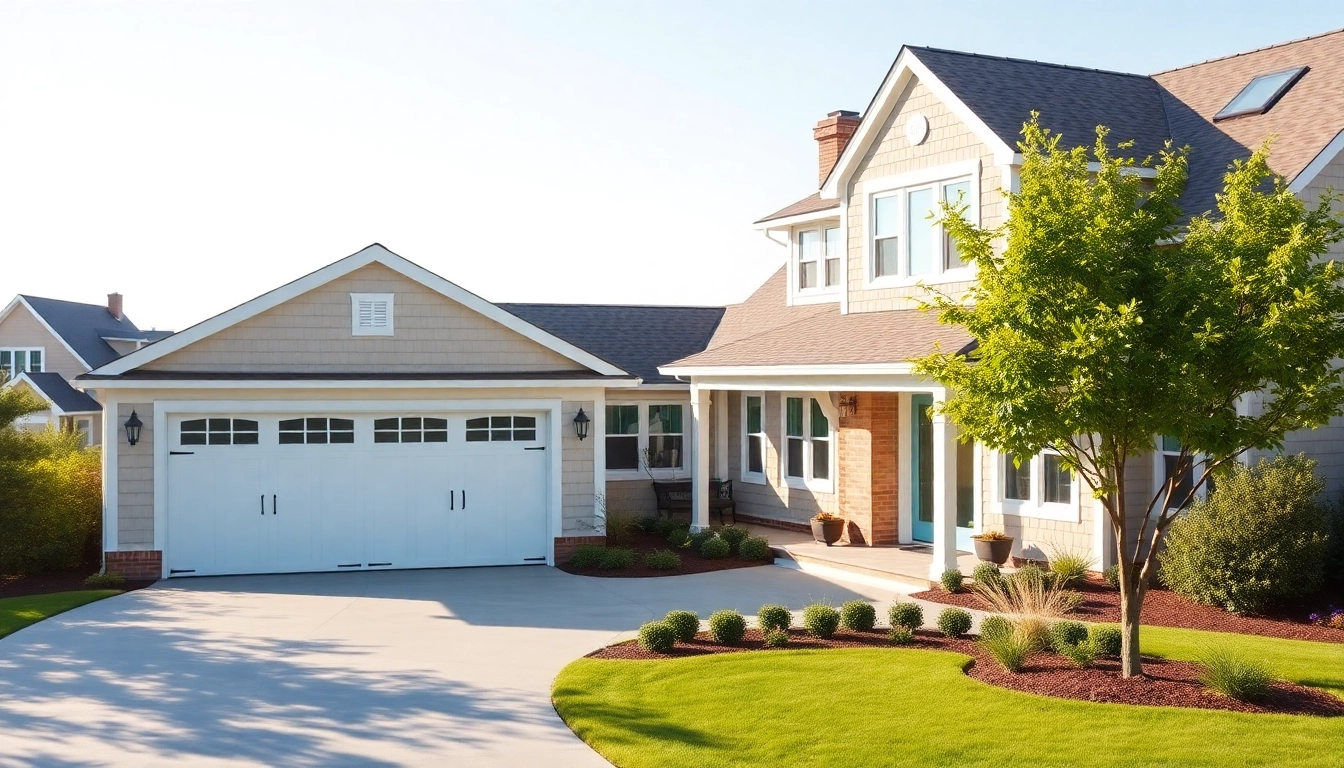
A cape cod home addition brings about a fundamental transformation in the use of your property. Whether you’re welcoming new family members, desiring a home office, or cramming in additional storage, the extra square footage can significantly enhance your living arrangements. The versatility of a planned addition allows homeowners to cater to their evolving lifestyle needs. Choosing to expand horizontally or vertically can lead to innovative design solutions that promote both functionality and comfort.
Increased Property Value
Real estate trends often indicate that home additions amplify property value significantly. A well-executed cape cod home addition can yield a solid return on investment. Buyers are frequently attracted to homes that show potential for future expansion, making such properties more appealing in a competitive market. A renovation that includes modern amenities, along with increased living space, could see an uptick of anywhere from 60% to 80% in ROI during resale, depending on various factors such as location and market demands.
Improved Aesthetic Appeal
Aesthetic enhancements often drive home improvement projects, and a cape cod home addition can seamlessly integrate new design elements into your existing architecture. Thoughtful design choices can augment the home’s visual appeal and ensure cohesion between old and new structures. Features such as matching siding, windows, or rooflines can help maintain the visual integrity of your Cape Cod style while introducing fresh updates that reflect current design trends.
Planning Your Cape Cod Home Addition
Evaluating Your Needs
The planning phase is crucial for any successful cape cod home addition. Start by identifying your needs and how an addition could fulfill them. Are you envisioning a guest suite, a sunroom, or an expanded kitchen? Prioritizing the functions you intend to serve will guide your design process. List down must-haves versus nice-to-haves and talk to family members to take their needs into consideration. This clarity in purpose will save you time and resources in the long run.
Setting a Realistic Budget
Budgeting is perhaps the most challenging aspect of any construction project. To set a realistic budget for your cape cod home addition, you should consider not only the direct construction costs but also additional expenses such as permitting fees, architectural design consultations, and contingency funds for unexpected costs. Generally, budgeting about 10%-20% more than your estimated costs can help cushion against fluctuations in the material and labor markets, which can be unpredictable.
Choosing the Right Design
Your home’s design should harmonize with existing architecture while showcasing your personal style. Research various styles of cape cod home addition and consult with an architect or designer experienced in Cape Cod homes. They can offer guidance on how to design an addition that feels like a natural extension of your home. Key elements to consider include rooflines, window placements, and exterior materials that echo the original structure while also modernizing the look.
Design Considerations for a Cape Cod Home Addition
Architectural Styles and Trends
When planning your addition, it’s essential to consider prevalent architectural styles that align with the classic Cape Cod aesthetic. Styles that incorporate clean lines and natural materials will ensure harmony between the addition and the original structure. Popular trends include coastal contemporary looks with expansive windows, open floor plans, and seamless indoor-outdoor transitions that embody the spirit of the Cape’s coastal lifestyle.
Incorporating Natural Light
Natural light plays a significant role in elevating the mood of a space. Consider large windows, skylights, and open interior layouts to maximize light flow in your cape cod home addition. Positioning windows for optimal sunlight exposure can also enhance energy efficiency by reducing the need for artificial lighting during the day. Solving light-related issues creatively may involve incorporating solariums or light wells into the design.
Functionality and Flow
Functionality and flow are paramount in residential design. An addition should not only blend aesthetically with your existing home but also enhance the living experience. Pay attention to patterns of movement and accessibility, ensuring that the new spaces function seamlessly with current living areas. For example, if adding a kitchen extension, consider the workflow between the cooking area and dining spaces to encourage both ease of use and a social atmosphere.
Construction and Permitting Process
Navigating Local Regulations
The permitting process can be daunting, but understanding local regulations simplifies this. Depending on your location, a cape cod home addition may necessitate various permits, including zoning, building, and environmental assessments. Researching these requirements early in your planning phase prevents delays later on. Engaging a local contractor familiar with these regulations can facilitate this process significantly, ensuring all legal requirements are met for compliance.
Selecting Contractors and Builders
Choosing the right contractor can make or break your addition project. Look for professionals who have solid records of executing similar projects—preferably within the Cape Cod architecture style—to utilize craftsmanship reflective of the region’s traditions. Be sure to vet potential builders, checking for references, licensing, bonding and insurance, as well as obtaining multiple bids to compare project clarity, timelines, and costs. Your ideal contractor will ensure that both aesthetics and functionality are achieved in alignment with your vision.
Understanding Construction Timelines
Construction timelines vary widely based on project scope, contractor efficiency, and unforeseen factors like weather. An average cape cod home addition may take between two to six months, depending on the complexity and size. It’s paramount to maintain open communication with your contractor throughout the process to ensure that you are aware of any shifts in timelines and that you can make decisions promptly if needed.
FAQs About Cape Cod Home Addition Projects
What permits are required for a Cape Cod home addition?
Permits typically include building, zoning, and in some cases, environmental assessments. Always check local regulations early in the planning process.
How long does the construction of a home addition take?
The timeline for a home addition usually ranges from two to six months. Factors like project complexity and weather can affect the schedule.
Can I live in my home during the addition construction?
Yes, homeowners often live on-site during construction. Planning can minimize disruptions, especially in less invasive builds.
What are common design styles for Cape Cod additions?
Common styles include coastal contemporary with clean lines, large windows, and natural materials that integrate smoothly with classic Cape Cod architecture.
How much value does a home addition typically add?
A well-planned addition can boost your home’s value by approximately 60% to 80% of the project cost, depending on location and market trends.