







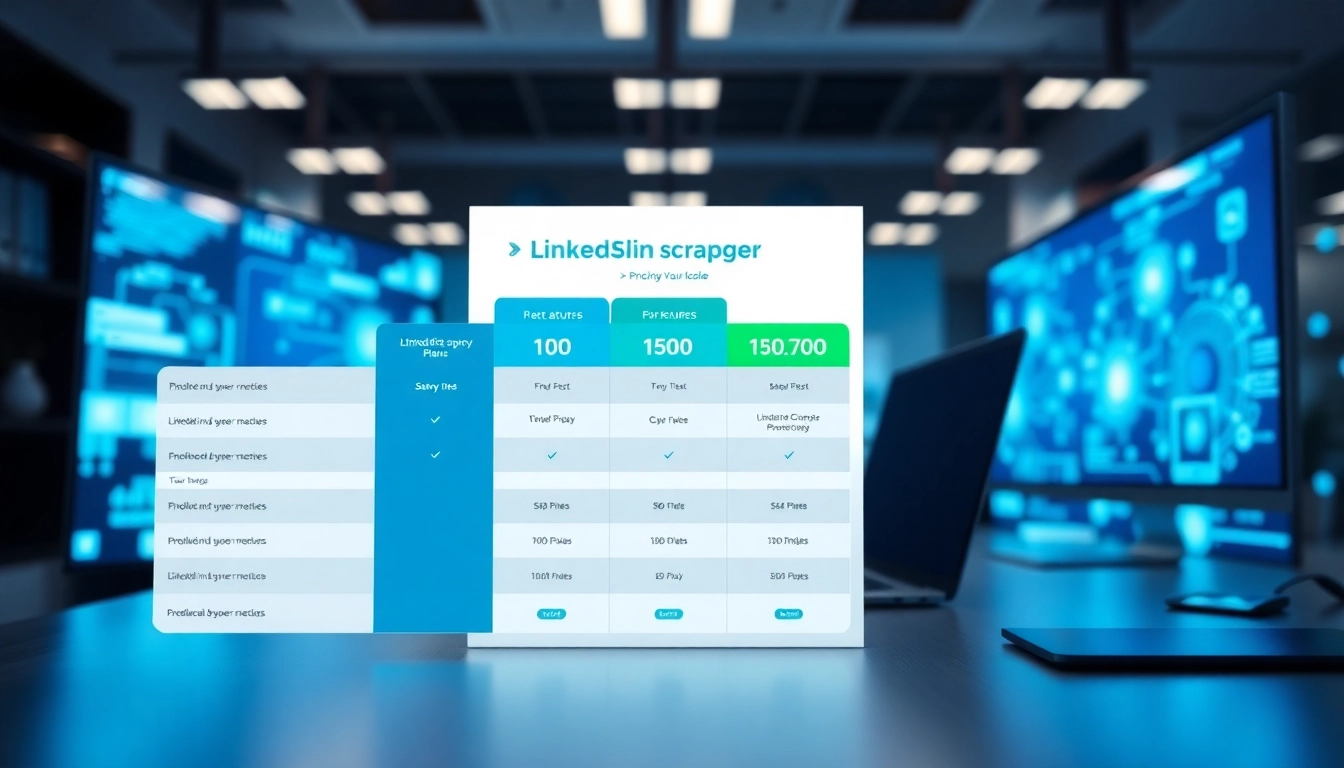
Understanding linkedin scraper pricing plans
When searching for the right tool to extract data from LinkedIn, the cost is often a significant consideration for businesses. Each linkedin scraper pricing plans varies greatly, offering different features and functionalities. Understanding the landscape of these pricing plans is essential for making informed decisions that align with business objectives.
The Importance of Pricing in Web Scraping Tools
Pricing plays a pivotal role in selecting web scraping tools, especially for those focusing on LinkedIn, a platform with extensive professional networks. A well-structured pricing model not only reflects the functionality of the software but also serves as an indicator of the quality of service you can expect. Analyzing how much data can be extracted, the frequency of updates, and the level of technical support provided often corresponds to the price tier chosen. As such, assessing pricing becomes as crucial as evaluating features.
Factors Influencing linkedin scraper pricing plans
Several factors dictate the cost of linkedin scraper pricing plans. Elemental among them is the volume of data that can be scraped, which influences both base pricing and scalability. Advanced features like API access, speed of scraping, and integration capabilities with different management systems also contribute to pricing discrepancies. Further, customer support services—be it 24/7 availability or more personalized assistance—can significantly escalate costs. Thus, businesses need to weigh the benefits of these factors against their specific requirements.
Common Pricing Models for Data Extraction Tools
Primarily, pricing models for linkedin scraping tools include subscription-based, pay-as-you-go, and tier-based structures. Subscribers typically pay a monthly or annual fee that grants access to a set number of scraping requests and features. Pay-as-you-go plans allow businesses to pay only for the data they extract, which can be economical for occasional users. Tier-based structures cater to various user levels, charging a higher fee for more comprehensive access and functionalities tailored to larger organizations or advanced users.
Features to Consider in linkedin scraper pricing plans
Data Limits and Usage Tiers
Different pricing plans come with varied data limits and usage tiers. These can range from basic plans that allow small-scale data extraction, suitable for startups and freelancers, to enterprise-level plans designed for large corporations needing extensive data scraping capabilities. Understanding these limits is vital; businesses must forecast their data needs accurately to select a plan that won’t restrict their operations or lead to additional costs later.
Support and Maintenance Options
Customer support is an integral aspect of any tool, more so for web scraping due to the complexities involved. Many pricing plans vary significantly based on the support offered. Some may include dedicated account managers, while others rely on community forums or basic ticketing systems. The level and availability of technical support can influence not only the purchasing decision but also project success rates. Regular maintenance should also be factored in; updates that keep the scraping tools compliant with LinkedIn’s changing interface are essential for ongoing usability.
Integration Capabilities with Other Platforms
Integration capabilities refer to a scraping tool’s ability to work alongside other applications or data management platforms. Effective integration allows businesses to streamline their workflows and automate lead generation processes. Plans that offer API access or integration features with popular CRM systems, like Salesforce or HubSpot, may command a higher price. However, for businesses relying on these integrations, the additional cost can lead to significant time savings and increase overall productivity.
Comparing Popular linkedin scraper pricing plans
Entry-Level Plans: What’s Included?
Entry-level plans typically serve as an introduction to scraping tools, offering basic features aimed at individual users or small businesses. Such plans often include limited access to data points, like names and job titles, and may restrict the number of profiles that can be scraped monthly. These plans are cost-effective, catering to those needing fundamental data extraction without advanced functionalities. Additionally, many entry-level plans provide free trials, allowing potential users to experience the software before committing financially.
Mid-Tier Options for Growing Needs
Mid-tier plans offer an enhanced set of features tailored for growing businesses that demand more from their data scraping tools. These can include increased data allowances, additional automated capabilities, and more robust customer support options. The pricing for these plans typically balances affordability with the necessity for features that accelerate business growth. Mid-tier options allow a transition for companies that have outgrown their entry-level plans but do not yet require full-scale enterprise solutions.
Advanced Plans: When to Upgrade?
Advanced plans are designed for larger organizations with extensive data scraping needs. These plans usually provide unlimited or near-unlimited data extraction capabilities, advanced analytical tools, high-speed scraping, and dedicated support services. Organizations often consider upgrading when they experience limitations in their current plan, face growth in data needs, or lack access to crucial features necessary for strategic operations. Understanding when to upgrade can improve operational efficiency and prevent potential revenue loss due to data restrictions.
Best Practices for Choosing the Right Plan
Assessing Your Business Needs
Choosing the right linkedin scraper pricing plans begins with a thorough assessment of business needs. Companies must define their objectives: are they focused on lead generation, market analysis, or competitor research? Identifying these goals leads to a clearer understanding of the requisite features, such as data volume, integration needs, and support services. This not only ensures money is spent wisely but also enhances the potential for achieving set objectives efficiently.
Evolving Needs and Cost Management
Another crucial factor is the recognition that a business’s data needs may evolve over time. Companies should forecast future growth and the scaling of their scraping requirements. Flexible plans that allow easy upgrades or scaling options can save costs in the long run and prevent companies from facing workflow disruptions due to sudden data demands. This strategic foresight can help manage expenses effectively while ensuring the business can adapt to changing market conditions.
Evaluating Return on Investment
Lastly, evaluating return on investment (ROI) should guide the decision-making process. Businesses need to measure how effectively the selected scraping tool and pricing plan drive value. This could involve assessing how quickly and accurately data is processed and the resulting impact on sales or marketing metrics. Tools that provide analytics or integration with performance tracking platforms can significantly enhance ROI evaluations, helping businesses determine whether their investment is yielding expected results.
Frequently Asked Questions about linkedin scraper pricing plans
What are typical costs for linkedin scraper pricing plans?
Pricing can vary greatly, ranging from $10 to over $200 per month depending on features, data limits, and support levels. Entry-level plans often start around $29/month, while advanced options can exceed $159/month.
Are free trials available for data scraping tools?
Many tools offer free trials, allowing users to test the features before committing to a paid plan. Free trials typically last from 7 to 30 days, depending on the provider.
How do I evaluate the best pricing plan?
Evaluate based on data volume needs, required features, integration capabilities, and support options. Additionally, consider which plan aligns best with your business’s current and future strategies.
Can I switch plans easily if my needs change?
Most providers allow for easy transitioning between plans, especially when scaling up. It’s advisable to check the terms of each plan for any specific restrictions or conditions regarding upgrades.
What is the average support response time?
Average support response times can vary widely but typically range from a few hours to 24 hours, depending on the support tier chosen. Higher-tier plans usually offer priority support for faster resolutions.


