








Understanding Tree Consultancy
What is Tree Consultancy?
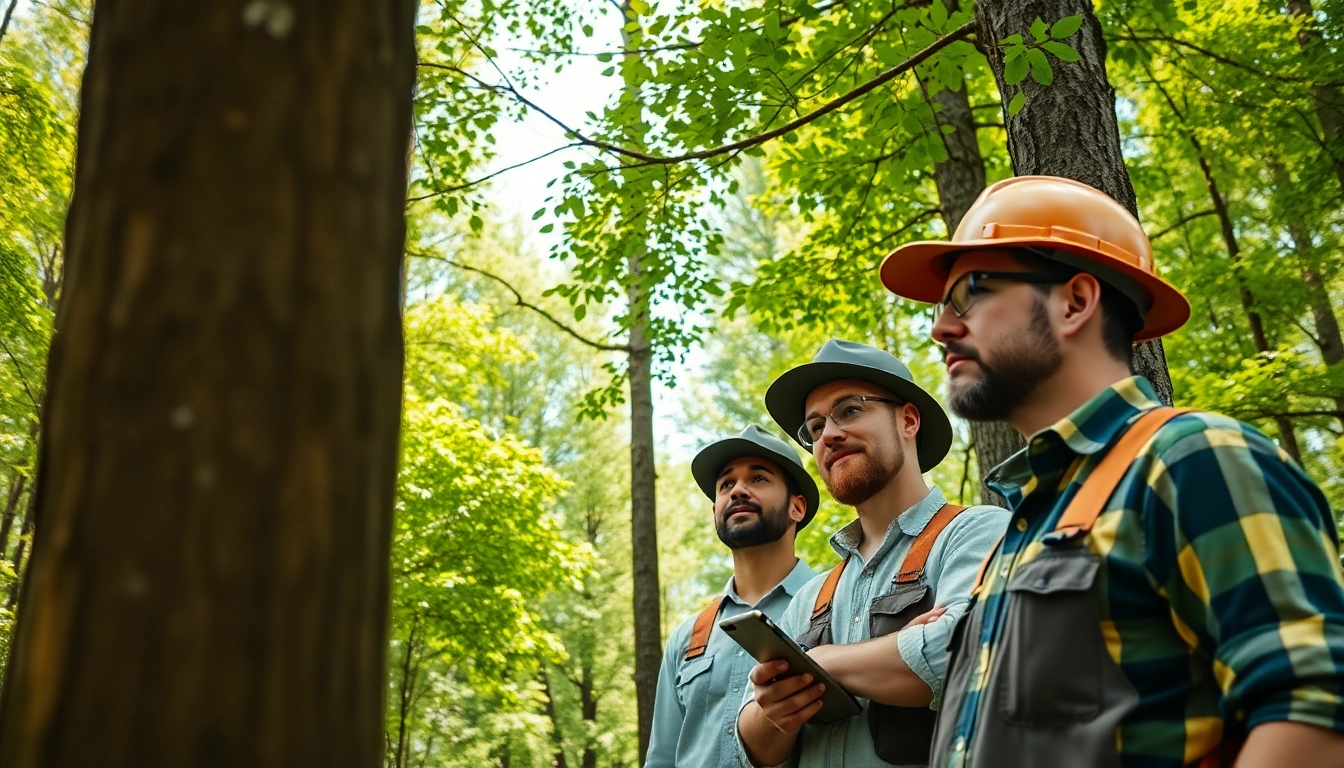
Tree consultancy is a specialized field that focuses on the assessment, management, and care of trees. Professionals in this area, known as tree consultants, provide expertise on the health, safety, and maintenance of trees in various environments. Their role is crucial for promoting sustainable practices in urban and rural settings alike. Through comprehensive evaluations, they help landowners understand the needs of their trees, ensuring that they receive appropriate care and management interventions. Essentially, tree consultants bridge the gap between ecological health and the needs of property owners, making them indispensable for fostering biodiverse and healthy landscapes. For optimal results and tree vitality, embarking on a Tree Consultancy journey is beneficial.
Importance of Tree Consultancy Services
Tree consultancy services play a significant role in safeguarding our green spaces. With the increasing urbanization and changes in environmental conditions, trees face numerous threats, including disease, pests, and mechanical injury. By employing tree consultancy services, clients benefit from expert assessments that inform their management decisions. This proactive approach not only enhances the aesthetic and ecological value of the property but also contributes to safety, as unhealthy or unstable trees pose risks to people and structures nearby. Furthermore, tree consultants help clients navigate legal obligations regarding tree preservation, ensuring compliance with local regulations while promoting sustainable practices.
Types of Tree Consultancy Offered
Tree consultancy encompasses a variety of services tailored to meet specific needs. Key offerings include:
- Health Assessments: Evaluating the health and vitality of trees to identify any existing or potential issues.
- Management Plans: Creating actionable strategies for tree care, including irrigation, pruning, and disease management.
- Risk Assessments: Analyzing trees for potential hazards and providing recommendations to mitigate risks.
- Tree Surveys: Conducting inventories that document tree species, health, and maintenance needs.
- Site Planning: Offering advice on tree placement and species selection for landscaping projects.
Tree Health Assessments
Signs of Tree Health Issues
Identifying health issues in trees early is crucial for effective management and recovery. Signs indicating a tree may be unwell include:
- Discoloration of leaves, indicating nutrient deficiencies or disease.
- Wilting or drooping branches, which may suggest water stress.
- Visible signs of pests, such as holes in leaves or sawdust at the base of the tree.
- Dead or dying branches that can be a sign of decay or disease.
- Structural failures, like lean or cracks, indicating instability.
Methods for Evaluating Tree Conditions
Tree consultants employ various methods for evaluating tree conditions, ensuring a comprehensive assessment:
- Visual Inspection: The most fundamental method involves a thorough visual examination of the tree, focusing on foliage, bark, branches, and overall structure.
- Testing and Diagnostics: Using tools like resistographs or sonic tomography allows for deeper insights into wood density and internal rot.
- Soil Analysis: Evaluating soil composition and health helps determine if nutritional deficiencies affect tree health.
- Microciography: Involves taking samples for laboratory analysis to identify diseases or pest infestations.
Common Tree Diseases and Pests
Tree health is often threatened by a variety of diseases and pests. Some common threats include:
- Oak Wilt: A fungal disease affecting oaks that can kill trees rapidly.
- Leaf Spot: Caused by fungi or bacteria, leading to unsightly spots and potential leaf drop.
- Emerald Ash Borer: An invasive insect that poses a significant risk to ash trees, often resulting in tree decline and death.
- Scale Insects: These pests suck sap from trees, weakening them and making them vulnerable to secondary infections.
Best Practices in Tree Management
Tree Pruning Techniques
Proper pruning is an essential practice for maintaining tree health and aesthetics. Effective pruning techniques include:
- Thinning: Removing select branches to increase light penetration and air circulation within the canopy.
- Deadwooding: Removing dead or dying branches to enhance tree safety and vitality.
- Structural Pruning: Encouraging a strong branching structure by removing weak branches early in a tree’s life.
- Seasonal Pruning: Timing pruning activities according to the season can reduce stress on trees.
Soil and Nutrient Management
Healthy soil is vital for tree health. Best practices in soil management include:
- Conducting regular soil tests to understand nutrient levels and pH balance.
- Applying organic mulch to retain moisture and suppress weeds.
- Incorporating compost to improve soil structure and increase fertility.
- Implementing appropriate irrigation based on the specific needs of tree species.
Scheduling Routine Inspections
Regular inspections are crucial in identifying potential issues before they escalate into serious problems. Best practices include:
- Conducting health assessments at least once a year, with more frequent checks for high-risk trees.
- Documenting findings and creating reports for future reference.
- Adjusting care plans based on changing environmental conditions or tree growth.
Regulation and Compliance in Tree Consultancy
Understanding Local Tree Protection Laws
Various local regulations protect trees and require adherence to specific laws regarding tree management. Understanding these laws is essential for:
- Minimizing legal risks associated with tree removal or alteration.
- Ensuring compliance with conservation efforts aimed at preserving local ecosystems.
- Hazard prevention by understanding which trees require protection under local ordinances.
Permits Required for Tree Work
Before conducting any tree work, certain permits may be required. The permit process typically involves:
- Consulting local regulations to determine if a permit is necessary.
- Submitting applications that may require details on the scope of work and tree species involved.
- Adhering to conditions stipulated by the permitting authority, including timing and methodologies for tree care.
Staying Updated on Environmental Regulations
Environmental regulations are subject to change, and staying informed is critical. Best practices include:
- Attending workshops, seminars, and certifications related to tree management and ecology.
- Joining professional organizations that provide updates on changing regulations.
- Monitoring local government announcements regarding tree conservation laws.
Choosing a Tree Consultancy Service
Factors to Consider When Hiring
Selecting the right tree consultancy service is paramount for effective tree management. Considerations include:
- Expertise: Determine the consultant’s area of specialization and ensure it aligns with your needs.
- Reputation: Look for reviews and testimonials from previous clients to gauge service quality.
- Insurance and Certifications: Verify that the consultant carries liability insurance and relevant certifications.
Evaluating Qualifications and Experience
Qualifications and experience are critical indicators of a consultant’s capability. Key aspects to evaluate include:
- Educational background in arboriculture, forestry, or horticulture.
- Years of experience working in the field and specific areas of expertise.
- Membership in professional organizations which signify ongoing education and adherence to industry standards.
Questions to Ask Potential Consultants
When interviewing a potential tree consultant, ask questions that clarify their approach and fit for your project:
- What specific tree management services do you offer?
- Can you provide references from previous clients?
- How do you assess tree health and determine action steps?
- What methodologies do you use for pruning and disease management?
- Are you up to date with local regulations and industry standards?
FAQs
1. What services do tree consultants provide? Tree consultants offer health assessments, management plans, pruning advice, and more to ensure tree vitality.
2. How often should trees be assessed? Regular inspections every 1-2 years are recommended; more frequently for at-risk trees.
3. Can tree consultancy help with disease prevention? Yes, consultants identify diseases and pests, providing management solutions to prevent infestations.
4. Are there legal regulations for tree management? Yes, various regulations exist; consultants help navigate permits and conservation laws.
5. How do I choose the right tree consultant for my needs? Look for qualifications, experience, and positive testimonials to ensure quality service.