Understanding the Appeal of Tree House Life
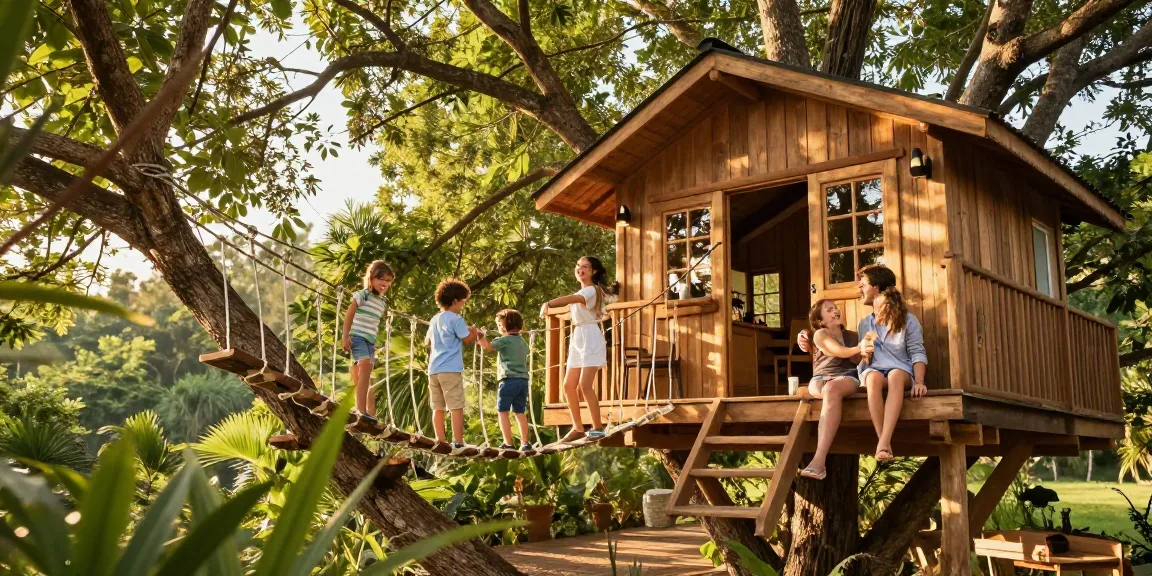
Tree house living has captivated families and individuals alike, offering a unique blend of adventure, tranquillity, and connection to nature. These elevated retreats appeal not just to children, but to adults, providing an oasis away from the hustle and bustle of everyday life. As we look towards 2026, the trend of embracing a tree house life continues to gain momentum, reflecting a growing desire for sustainable and experiential living.
What is Tree House Living?
Tree house living encompasses a lifestyle centred around homes built among the trees, integrating nature into daily life. It isn’t merely a nostalgic notion; today's tree houses are designed with modern amenities, characterised by eco-friendly materials and innovative structures. The concept has evolved from childhood fantasies into sophisticated dwellings that blend seamlessly with their natural environments, often used for both recreational purposes and as permanent residences.
Benefits of Living Amongst the Trees
Living in a tree house presents numerous benefits, making it an ideal choice for those seeking a retreat or a permanent home. Some of the key advantages include:
- Connection to Nature: Being surrounded by trees fosters a deeper relationship with the environment, enhancing mental well-being and providing a serene atmosphere.
- Unique Living Experience: Tree houses offer an escape from traditional living spaces, featuring stunning views and a sense of adventure that ground-level homes may lack.
- Ecological Benefits: Many modern tree houses are built using sustainable materials and techniques, minimising environmental impact and promoting biodiversity.
Common Misconceptions About Tree House Living
Despite the growing popularity of tree houses, several misconceptions persist. One common belief is that tree houses are unsafe or unstable. However, with proper design and construction, these homes can be as secure as traditional residences. Another misconception is that tree houses are only suitable for children. In reality, they can be designed for all ages, catering to various needs, including home offices, guest rooms, or serene getaways.
Designing Your Dream Tree House
Creating a dream tree house requires thoughtful planning and a clear vision of what you want to achieve. Considerations include location, design, and functionality, ensuring that your tree house meets your family's needs while harmonising with the surrounding nature.
Key Features of a Functional Tree House
A well-designed tree house must focus on functionality while maintaining aesthetic appeal. Key features include:
- Sturdy Foundation: Ensure that it is securely anchored to the tree, with appropriate supports and reinforcements.
- Accessible Design: Incorporate ladders, stairs, or rope bridges to ensure easy access for all ages.
- Natural Light: Use large windows or skylights to maximise natural light and enhance the connection with the outdoors.
Innovative Design Tips for Tree Houses
When designing a tree house, consider incorporating unique elements that enhance its charm and functionality:
- Multi-Level Structures: Create separate zones for sleeping, working, and leisure across multiple levels for an expansive living experience.
- Outdoor Decks: Include spacious decks or balconies for outdoor seating, offering breathtaking views and a place to relax.
- Integrated Natural Elements: Use natural materials like wood and stone to blend the structure with its surroundings.
Sustainable Materials for Eco-Friendly Construction
As environmental concerns become more pronounced, building a sustainable tree house is increasingly important. Consider using:
- Reclaimed Wood: This not only reduces waste but also adds character to the structure.
- Bamboo: Known for its strength and rapid growth, bamboo is a fantastic eco-friendly building material.
- Insulating Materials: Incorporate insulation that is environmentally friendly, ensuring energy efficiency and comfort.
Safety Considerations in Tree House Life
Safety is paramount when constructing and living in a tree house. Proper planning and maintenance can ensure a safe environment for everyone.
Essential Safety Features to Implement
To prevent accidents, consider the following safety features:
- Railings and Guards: Install sturdy railings around decks and stairs to prevent falls.
- Non-Slip Surfaces: Use materials that provide grip on walking surfaces, especially in wet conditions.
- Regular Inspections: Conduct routine checks to ensure all structures are secure and free from wear and tear.
Best Practices for Tree House Maintenance
Maintaining a tree house is crucial for ensuring its longevity and safety. Key maintenance practices include:
- Regular Cleaning: Remove debris, leaves, and branches to prevent damage from moisture and pests.
- Structural Checks: Inspect the tree and the house regularly for signs of stress or damage.
- Weatherproofing: Apply sealants or treatments to protect wooden surfaces from the elements.
Childproofing Your Tree House Space
If children will be using the tree house, it's essential to create a safe environment. In addition to safety features, consider:
- Secure Storage: Store tools, chemicals, and other hazards out of reach.
- Supervision Areas: Designate specific zones for play that can be easily monitored from the ground.
- Education: Teach children about safety rules and the importance of being cautious in elevated areas.
Engaging Activities for Tree House Families
Tree house living is not just about the structure itself; it's about fostering a vibrant family lifestyle filled with activities that promote bonding and fun.
Outdoor Games and Adventures
Embrace the adventurous spirit by engaging in outdoor games such as:
- Treasure Hunts: Organise scavenger hunts in the trees or surrounding garden areas.
- Obstacle Courses: Create fun challenges that utilise the natural environment for physical activity.
- Star Gazing: Set up comfortable seating to enjoy the night sky from your elevated perch, enhancing your connection to nature.
Cultivating a Garden in Your Tree House
Transform your tree house into a green oasis by:
- Vertical Gardens: Use vertical planters to maximise space and beautify your tree house.
- Herb Boxes: Incorporate fragrant herbs for cooking or relaxation.
- Butterfly Gardens: Attract pollinators by planting flower varieties that invite butterflies and bees.
Creative DIY Projects for Family Bonding
Engage the family with DIY projects that can enhance the tree house experience:
- Outdoor Furniture: Build or repurpose furniture to furnish your tree house.
- Art Installations: Encourage creativity by allowing each family member to contribute art or decor.
- Tree House Games: Create custom games that can be enjoyed by all ages, leveraging the unique space.
Future Trends in Tree House Living
The future of tree house living is bright, with emerging trends that focus on sustainability, technology, and adaptability.
Emerging Trends for Tree Houses in 2026
Expect to see tree houses that prioritise:
- Smart Technology: Integration of smart home features, such as automated lighting and climate control.
- Modular Design: Flexibility to expand or modify spaces based on family needs and growth.
- Community Spaces: A shift towards creating communal tree houses that encourage social connections among neighbours.
Integration of Modern Technology in Tree House Life
As technology advances, the potential for modern tree houses grows. Consider integrating:
- Solar Energy: Implementing solar panels to create an energy-efficient living environment.
- Wi-Fi Connectivity: Ensuring high-speed internet access to create a functional workspace or entertainment hub.
- Smart Sensors: Using sensors for temperature control and security to enhance living quality.
The Role of Tree Houses in Promoting Sustainability
Tree houses can play a significant role in promoting sustainability through eco-conscious design choices and by enhancing awareness of environmental stewardship. These structures serve as inspiration for greener living practices and the importance of preserving our natural resources.
What are the costs associated with building a tree house?
The costs of building a tree house can vary widely based on materials, design, and location. On average, budget for anywhere between £5,000 to £50,000 for a well-constructed tree house. Factors include size, complexity, and whether you hire professionals or engage in DIY construction.
Can you live in a tree house full-time?
Yes, many people do choose to live in tree houses as permanent residences. With proper insulation, utilities, and modern amenities, a tree house can be a comfortable full-time dwelling.
How do you ensure the tree house is sturdy?
To ensure sturdiness, consult with a structural engineer during the design phase to assess the health of the tree and the necessary support systems. Use quality materials and follow local building codes to maintain stability.
Are tree houses suitable for all climates?
While tree houses can be designed for various climates, considerations must include weatherproofing, insulation, and ventilation specific to the region. Adaptations may be necessary for extreme weather conditions.
What regulations should you consider when building a tree house?
Check local zoning laws and homeowners' association guidelines to ensure compliance with building codes, which may include permits and inspections. Regulations may vary significantly based on location.