
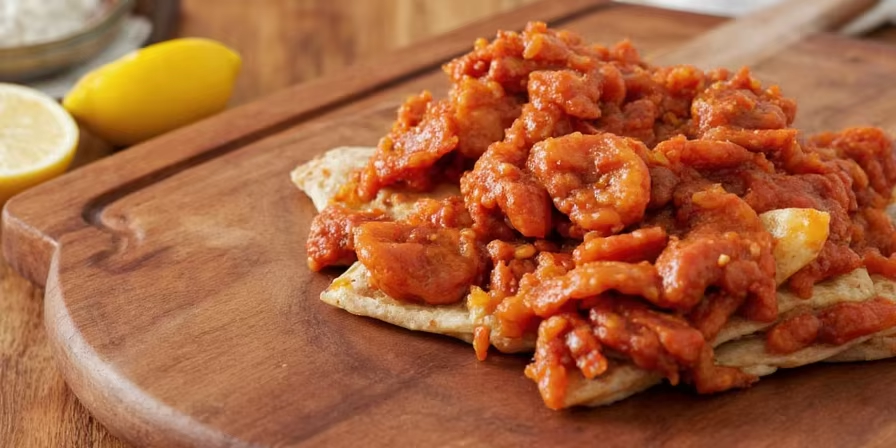
Chipotle has become a culinary favorite for many people across the globe. If you’ve ever wondered what does chipotle taste like, you’re not alone. This unique ingredient, often found in Mexican and Tex-Mex cuisine, combines a smoky, spicy flavor with a rich, earthy undertone. In this guide, we’ll explore not only the taste but also the texture, the ways it’s used in cooking, and why it has captured the hearts of so many food lovers.
Understanding Chipotle: More Than Just a Pepper
What Is Chipotle?
Chipotle is a smoke-dried jalapeño pepper. Unlike fresh jalapeños, which are bright and crisp, chipotles are dried and smoked, which gives them a deeper flavor profile. The smoking process adds a distinct, earthy aroma and intensifies the heat.
The Origin of Chipotle
Originating from Mexican cuisine, chipotle has a history that dates back centuries. Traditional recipes relied on drying jalapeños over smokewood, a method that preserved the peppers and enhanced their flavor. Today, chipotle is a staple in sauces, marinades, and even snacks worldwide.
Breaking Down the Flavor of Chipotle
Smoky Richness
When asking what does chipotle taste like, the first word that comes to mind is “smoky.” The smoking process caramelizes natural sugars in the pepper, resulting in a flavor reminiscent of wood-fired barbecue.
Spicy Heat
Chipotle has a medium level of spiciness, usually rated between 2,500 to 8,000 Scoville Heat Units. This is milder than many hot peppers but still noticeable. Unlike sharp, burning heat from some chili peppers, chipotle’s heat lingers pleasantly, adding warmth to dishes rather than overwhelming them.
Earthy Depth
Beyond smoky and spicy, chipotle offers a subtle earthiness. This deep flavor makes it perfect for stews, salsas, and meat marinades, providing a layered taste that keeps your palate engaged.
Exploring the Texture of Chipotle
Dried vs. Canned
Chipotle is available in both dried and canned forms. Dried chipotles are firm and chewy, adding texture when rehydrated in cooking. Canned chipotles in adobo sauce are softer and more versatile, blending smoothly into sauces and soups.
How Texture Affects Taste
Texture plays a significant role in the eating experience. A whole dried chipotle provides bursts of flavor when bitten into, while a pureed chipotle sauce distributes smoky heat evenly across a dish. Both textures contribute differently to the overall taste profile.
How Chipotle Enhances Dishes
Marinades and Sauces
Chipotle is frequently used in marinades to tenderize and flavor meats. Combining chipotle with ingredients like lime, garlic, and olive oil creates a balanced flavor that is smoky, slightly sweet, and pleasantly spicy.
Soups and Stews
Adding chipotle to soups or stews transforms ordinary recipes into something bold and flavorful. For example, chipotle can elevate a simple black bean soup by introducing a smoky warmth that complements the beans’ natural earthiness.
Snacks and Salsas
Even small amounts of chipotle can enhance snacks. From chipotle-flavored nuts to spicy salsas, this ingredient adds a unique kick that keeps food interesting and crave-worthy.
Real-Life Examples of Chipotle in Meals
Chipotle Chicken Tacos
Imagine grilled chicken coated with a chipotle marinade. The smoky heat complements the tender, juicy meat, while toppings like avocado and fresh lime balance the flavors. This combination gives a clear sense of what does chipotle taste like in a real dish.
Chipotle Mac and Cheese
Adding a touch of chipotle to mac and cheese gives a creamy dish a smoky, slightly spicy dimension. This unexpected pairing shows chipotle’s versatility beyond traditional Mexican dishes.
Chipotle in Vegan Dishes
Even plant-based dishes benefit from chipotle. Roasted vegetables or tofu tossed in a chipotle sauce gain depth, demonstrating that chipotle is not just for meat lovers.
Tips for Tasting Chipotle
Start Mild
If you’re new to chipotle, begin with a small amount. Its smoky flavor is intense, and even a little can drastically change a dish.
Pair With Complementary Flavors
Chipotle pairs well with lime, honey, tomatoes, garlic, and onions. These flavors balance the smokiness and mild heat, creating a more complex and enjoyable taste experience.
Experiment With Texture
Try chipotle in both dried and pureed forms. Dried chipotle adds bursts of flavor, while pureed chipotle mixes smoothly into sauces and soups for consistent taste.
Why People Love Chipotle
Bold but Balanced
Chipotle offers bold flavor without overpowering dishes. Its smoky richness and moderate heat create an appealing balance that satisfies both spice lovers and those who prefer milder tastes.
Versatility
Chipotle can be used in meats, vegetables, soups, sauces, and even snacks. This versatility allows home cooks and chefs to experiment and enhance a wide variety of dishes.
Cultural Significance
Chipotle carries cultural weight. It represents traditional Mexican culinary methods and provides a link to centuries-old food preparation techniques. Eating chipotle is not just about flavor—it’s an experience rooted in history.
Case Study: Chipotle in Everyday Cooking
Consider a busy home cook wanting to make a simple weeknight dinner exciting. By adding a small amount of canned chipotle in adobo sauce to a tomato-based pasta sauce, the ordinary dish transforms into a smoky, slightly spicy meal that feels gourmet. This is a practical example of what does chipotle taste like and how it can impact everyday meals.
The Smoky Essence of Chipotle
How Smoking Transforms Flavor
Understanding what does chipotle taste like starts with recognizing its smoky essence. Smoking jalapeños intensifies the pepper's natural flavors, creating a rich, deep taste that differs from fresh peppers. The smoky undertones give dishes warmth and complexity.
Why Smokiness Appeals to Palates
People often ask what does chipotle taste like because its smokiness adds sophistication to meals. Smoky flavors pair well with sweet, savory, and tangy ingredients, enhancing the overall dining experience.
The Subtle Heat That Lingers
Mild Yet Noticeable Spiciness
When exploring what does chipotle taste like, heat is a key component. Unlike sharp chili peppers, chipotle provides a mild, lingering warmth that enhances flavors without overpowering them.
How Heat Shapes Dishes
Understanding what does chipotle taste like also means appreciating its balanced spiciness. The heat is perfect for sauces, stews, and marinades, giving a gentle kick to every bite.
Earthy and Deep Flavors
The Natural Earthiness of Chipotle
One reason people wonder what does chipotle taste like is its earthy undertone. This depth makes it suitable for hearty dishes like chili, beans, and roasted vegetables.
Blending Earthiness in Cooking
Learning what does chipotle taste like helps you combine it with complementary flavors. Its earthiness balances sweet and tangy ingredients, creating layered and satisfying meals.
Textural Differences in Chipotle
Dried vs. Canned Chipotle
When thinking about what does chipotle taste like, texture matters. Dried chipotles are firm and chewy, providing bursts of smoky flavor, while canned chipotle in adobo is smooth and integrates easily into sauces.
How Texture Affects Flavor Perception
Texture influences what does chipotle taste like by shaping how flavors hit the palate. A chewy chipotle gives intense pockets of taste, whereas a pureed chipotle delivers consistent smoky heat throughout the dish.
Chipotle in Everyday Cooking
Enhancing Meat and Poultry
To understand what does chipotle taste like, consider its role in marinating meats. Chipotle adds smokiness, mild heat, and depth, turning ordinary grilled chicken or beef into a flavorful masterpiece.
Incorporating Chipotle in Vegetables
Exploring what does chipotle taste like shows its versatility. Roasted vegetables tossed in chipotle gain a smoky, earthy richness, demonstrating that chipotle is not limited to meats.
Sweet and Tangy Pairings
Chipotle and Citrus
When learning what does chipotle taste like, pairing it with lime or orange highlights its smoky-sweet balance. Citrus adds brightness, creating harmony between heat and flavor.
Chipotle and Sweet Ingredients
Understanding what does chipotle taste like also includes pairing with honey or maple syrup. The sweet flavors complement the smoky spice, resulting in rich, multi-dimensional dishes.
Everyday Snacks and Sauces
Chipotle in Dips and Salsas
People often ask what does chipotle taste like when trying it in salsas or dips. A touch of chipotle transforms a basic salsa into a smoky, flavorful condiment.
Chipotle in Quick Snacks
Learning what does chipotle taste like also applies to snacks. From spiced nuts to popcorn, chipotle provides a unique flavor punch that is both smoky and mildly spicy.
Why Chipotle Stands Out
Bold Yet Balanced Flavor Profile
Understanding what does chipotle taste like highlights its balance of smokiness, heat, and earthiness. This harmony is why chipotle continues to be a beloved ingredient in kitchens worldwide.
A Flavor That Leaves a Lasting Impression
People often revisit dishes to recall what does chipotle taste like. Its smoky depth and moderate heat create memorable experiences that elevate ordinary meals into extraordinary ones.
Frequently Asked Questions About Chipotle
What Does Chipotle Taste Like Compared to Jalapeños?
While both come from the same pepper, chipotle is smoked and dried, giving it a deeper, smokier flavor with moderate heat. Fresh jalapeños are brighter, crisper, and more straightforwardly spicy.
Can I Use Chipotle If I Don’t Like Spicy Food?
Yes, chipotle’s heat is milder than many chili peppers. Using a small amount can add flavor without making a dish too spicy, especially when balanced with sweet or acidic ingredients like honey or lime.
How Should I Store Chipotle for Maximum Flavor?
Dried chipotle should be kept in an airtight container in a cool, dark place. Canned chipotle in adobo sauce can be refrigerated after opening. Proper storage preserves the smoky, rich taste for months.
Conclusion
In summary, understanding what does chipotle taste like involves exploring both its smoky, spicy, and earthy flavors and its unique textures. From dried peppers to sauces, chipotle adds depth and excitement to a wide variety of dishes. Its versatility, cultural heritage, and bold yet balanced taste make it a favorite ingredient for both novice cooks and professional chefs. Whether you’re trying chipotle in tacos, soups, or even unexpected dishes like mac and cheese, this remarkable pepper has a way of elevating flavors and leaving a lasting impression. Next time you encounter chipotle, remember that its appeal lies not just in heat, but in a rich, smoky, and unforgettable taste experience. Unlock the full value of our platform—visit the homepage to explore more.