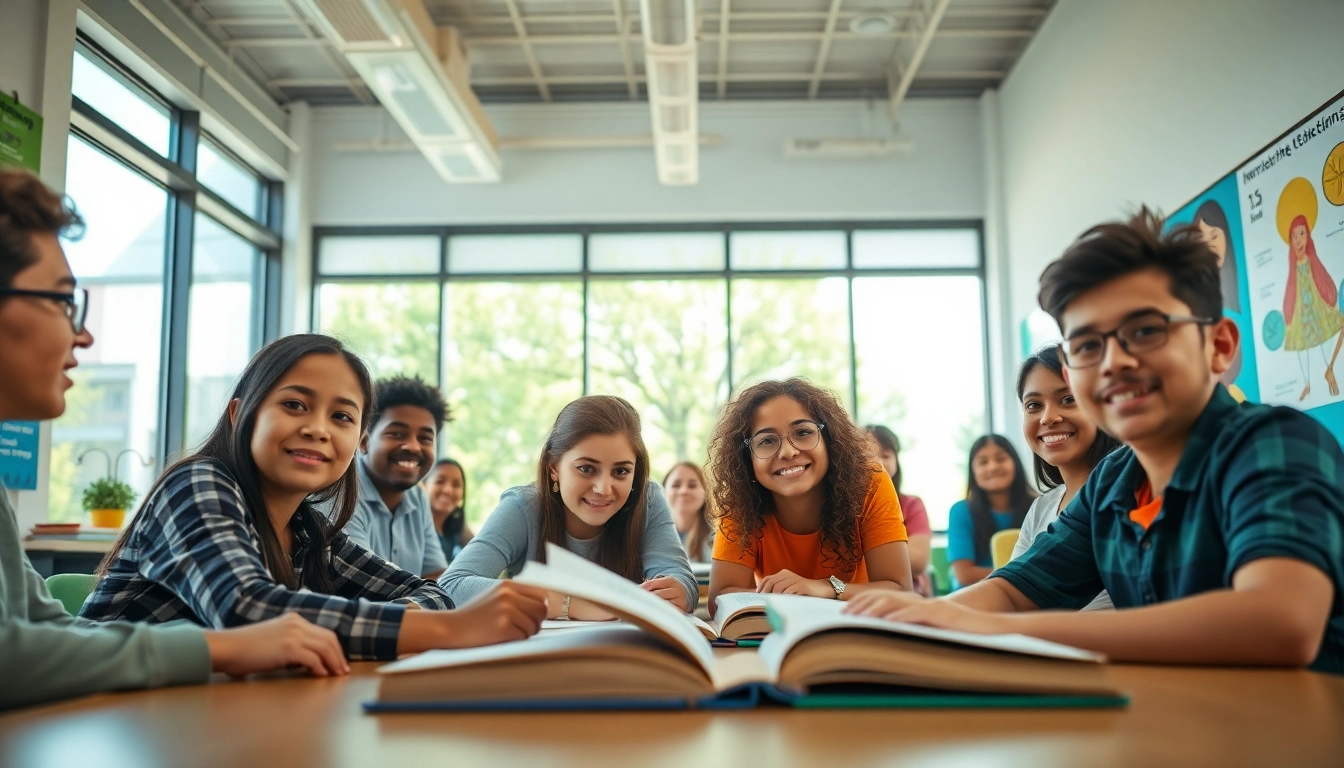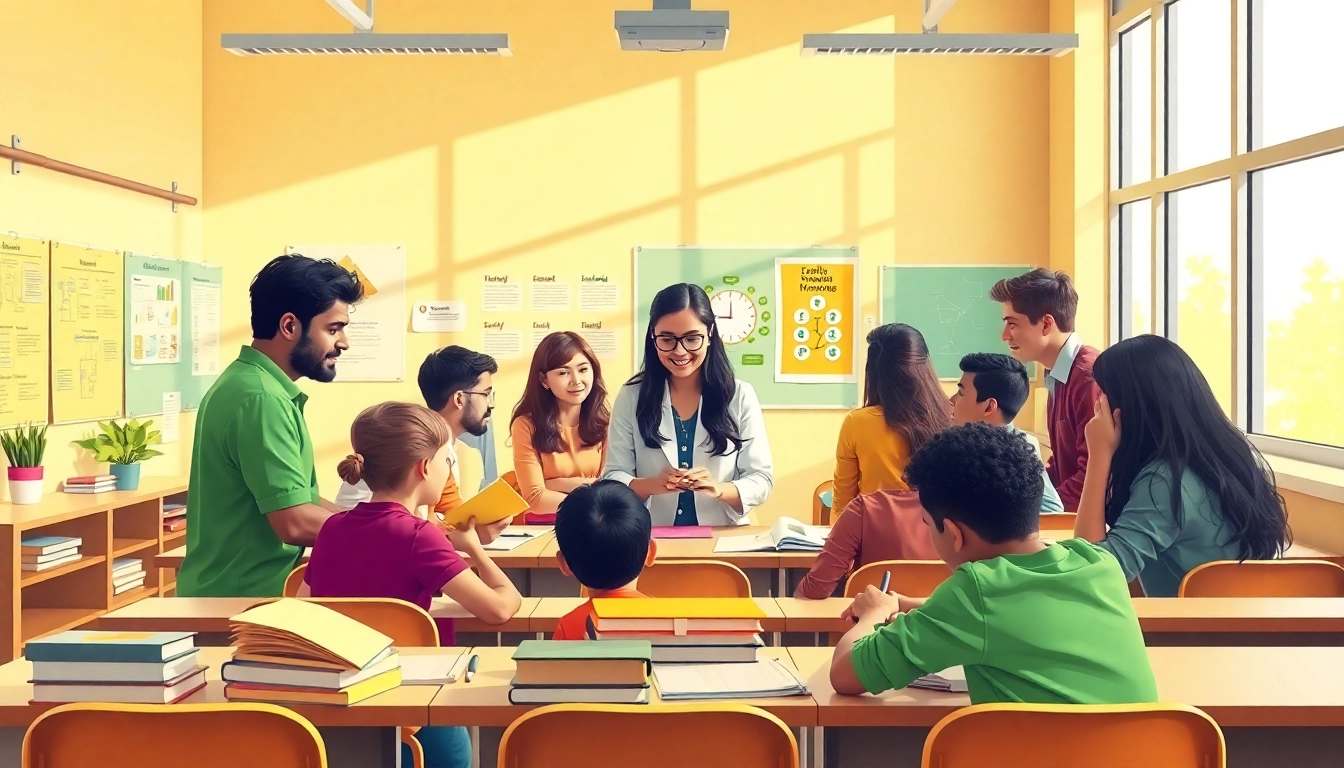
Understanding the Importance of Education
Education is a fundamental pillar of society and is often considered the pathway towards growth and development for both individuals and communities. It encompasses the transmission of knowledge, skills, values, and culture from one generation to another. Today, its relevance spans multiple dimensions, touching on personal growth, societal change, and economic prosperity. Engaging with the topic of Education is essential for understanding how it shapes our future.
Defining Education and Its Scope
Education is more than just formal schooling. It includes various methods through which learning occurs, including apprenticeship, vocational training, and online courses. The scope of education can be divided into several categories:
- Formal Education: Structured programming that takes place in schools and colleges, typically marked by specific curricula and academic degrees.
- Informal Education: Learning that occurs outside formal institutions through daily interactions and experiences.
- Non-Formal Education: Organized educational activity outside the established formal system, such as community education and adult literacy programs.
Each of these forms plays a crucial role in shaping individuals and societies, providing diverse pathways to learning that cater to different needs and preferences.
Key Benefits of Education for Individuals
The benefits of education extend far beyond obtaining a degree or securing a job. For individuals, education serves as a gateway to self-improvement, empowerment, and enhanced quality of life. Key benefits include:
- Critical Thinking Skills: Education equips individuals with the ability to analyze situations, evaluate arguments, and make informed decisions.
- Increased Earning Potential: Higher educational attainment is often linked to higher salaries and more employment opportunities.
- Social Benefits: Education fosters social cohesion, encouraging engagement and participation in community activities.
- Personal Fulfillment: Learning pursuits promote a sense of achievement and lifelong curiosity, enriching one's life.
Through education, individuals cultivate a versatile skill set, making them adaptable to changing job markets and informed citizens.
The Role of Education in Society
At a societal level, education contributes to the advancement of communities and nations. It acts as a unifying force that builds social capital, promotes cultural awareness, and reduces inequalities. Some pivotal aspects include:
- Economic Development: An educated workforce drives economic growth, leading to innovation and competitiveness in the global market.
- Social Equality: Education can bridge gaps between different socio-economic groups, providing marginalized populations with the tools needed to succeed.
- Democracy and Civic Participation: An informed populace is essential for a functioning democracy, as education empowers citizens to participate actively in societal governance.
Ultimately, the societal impact of education shapes the framework within which communities thrive, directly influencing well-being and prosperity.
Innovative Teaching Strategies in Education
As the landscape of education evolves, so do teaching strategies. Innovative approaches that integrate new methodologies and technologies can significantly enhance the learning experience. Here are some impactful strategies:
Active Learning Techniques
Active learning engages students in the learning process, encouraging them to participate actively rather than passively absorbing information. Techniques such as group discussions, problem-solving activities, and hands-on projects cultivate a more dynamic classroom environment. Benefits of active learning include:
- Enhanced Retention: Participants tend to remember information better when they engage with it directly.
- Collaboration Skills: Working with peers fosters teamwork abilities and interpersonal skills.
By promoting interaction and engagement, active learning not only fosters understanding but also enhances critical thinking and analytical skills in students.
Incorporating Technology in Education
Technology integration in education has transformed how learning is delivered and accessed. Digital tools offer numerous opportunities for enhancing the educational experience. Some noteworthy applications include:
- Online Learning Platforms: These platforms provide flexibility and accessibility, allowing learners to study at their own pace.
- Interactive Simulations: Use of simulations in science and mathematics encourages practical application of concepts.
- Gamification: Incorporating game mechanics in learning tasks can boost motivation and engagement among students.
As technology continues to advance, educators must adapt and innovate to harness its potential fully, ensuring that learning remains relevant and effective.
Culturally Responsive Teaching Practices
Culturally responsive teaching recognizes the importance of including students’ cultural references in all aspects of learning. Effective strategies encompass:
- Diverse Curriculum: Incorporating multiple perspectives and cultural backgrounds in lesson plans fosters inclusivity.
- Building Community Relationships: Creating connections with families and communities strengthens collaboration and support for student learning.
- Student-Centered Approaches: Personalizing learning experiences to reflect students’ identities enhances engagement and belonging.
Such practices not only validate the identities of students but also promote respect and understanding among diverse populations within the classroom.
Challenges Faced in Education Today
Despite the importance of education, various challenges hinder its effectiveness. Recognizing and addressing these issues is vital for fostering an equitable learning environment. Here are a few significant challenges:
Funding and Resource Allocation
Institutions often struggle with inadequate funding, leading to disparities in educational quality. Budget constraints can impact:
- Access to Resources: Lack of materials, technology, and skilled teachers can significantly hinder student learning.
- Program Offerings: Limited funding affects the availability of programs that cater to diverse student needs, such as arts and extracurricular activities.
To combat these issues, advocacy for increased investment in education and transparent resource allocation is essential for creating a more equitably funded educational landscape.
Addressing Educational Inequities
Educational inequities persist across various groups, often influenced by socio-economic status, race, and geographical location. Key actions to address these disparities include:
- Targeted Programs: Initiatives aimed at underserved communities can bolster support and improve access to quality education.
- Policy Reforms: Enacting policies that promote equity and ensure that resources are allocated to where they are most needed is crucial.
By fostering equity and inclusivity, education can fulfill its promise of empowering all individuals, regardless of their backgrounds.
Impact of Learning Environments on Education Outcomes
The physical and emotional environments in which students learn significantly affect their outcomes. Safe, supportive, and engaging learning spaces contribute to positive educational experiences. Critical considerations include:
- Classroom Design: Flexible seating and accessible resources can enhance collaboration and engagement.
- Emotional Support: Providing a nurturing atmosphere helps students feel safe and supported, essential for effective learning.
By prioritizing a conducive learning environment, educators can facilitate improved academic performance and emotional resilience.
Measuring Success in Education
Understanding educational success requires the use of diverse assessment methods. As education shifts, it's crucial to evaluate the effectiveness of various approaches. This section examines pathways to measure success effectively:
Assessment Methods and Their Effectiveness
Assessments can guide teaching and learning practices, informing instructional choices and enabling personalized learning. Common forms include:
- Formative Assessments: These ongoing assessments provide feedback during the learning process, enabling timely interventions.
- Summative Assessments: Culminating evaluations that gauge student learning at the end of a unit or course.
A balanced approach that incorporates both types of assessments can offer a holistic view of student progress and development.
The Role of Standardized Testing in Education
Standardized tests serve as a tool for measuring educational achievement across populations. However, significant debates exist regarding their effectiveness:
- Pros: They provide measurable data and facilitate comparisons at local, state, and national levels.
- Cons: Over-reliance on test scores can lead to the narrowing of the curriculum and may overlook diverse learner needs.
Re-evaluating the role of standardized testing within a broader context of assessment can lead to more equitable educational practices.
Alternative Metrics for Evaluating Education Quality
Moving beyond traditional assessment methods allows for a more nuanced understanding of education quality. Alternative metrics include:
- Student Engagement Surveys: Collecting feedback on student experiences illuminates aspects of the learning environment.
- Portfolios: Comprehensive collections of student work highlight growth and competencies in diverse areas.
By harnessing a variety of evaluation methods, educators can gain insight into learning experiences and outcomes, fostering continuous improvement.
The Future of Education: Trends and Predictions
As we look toward the future of education, several trends and predictions emerge, signifying a transformative approach to learning. The integration of new technologies and pedagogical advancements will redefine educational landscapes in the coming years:
Emerging Educational Technologies
Technological advancements are poised to revolutionize education. Innovations include:
- Artificial Intelligence: AI-driven tools can personalize learning experiences, adapting content to meet diverse student needs.
- Virtual Reality: VR offers immersive learning environments that enhance engagement and experiential learning.
Utilizing these technologies can create more effective, engaging, and accessible educational opportunities for students worldwide.
Global Perspectives on Education Reform
Education reform efforts are continuously evolving, reflecting the diverse challenges faced around the world. Trends suggest:
- Collaboration between Stakeholders: Engaging educators, policymakers, and communities fosters shared ownership of reform initiatives.
- Focus on Lifelong Learning: Emphasizing educational pathways that extend beyond formal schooling promotes adaptability and continuous personal development.
By embracing these global perspectives, education can become more inclusive and responsive to the needs of future generations.
Preparing Students for a Changing Workforce
The future job market is projected to demand critical thinking, creativity, and adaptability. To prepare students:
- Skills Development: Emphasizing soft skills alongside academic knowledge can produce versatile graduates.
- Work-Based Learning Opportunities: Providing internships and apprenticeships equips students with real-world skills and experiences.
Education must evolve to align with shifting workforce demands, prioritizing skills that enhance employability and career readiness.