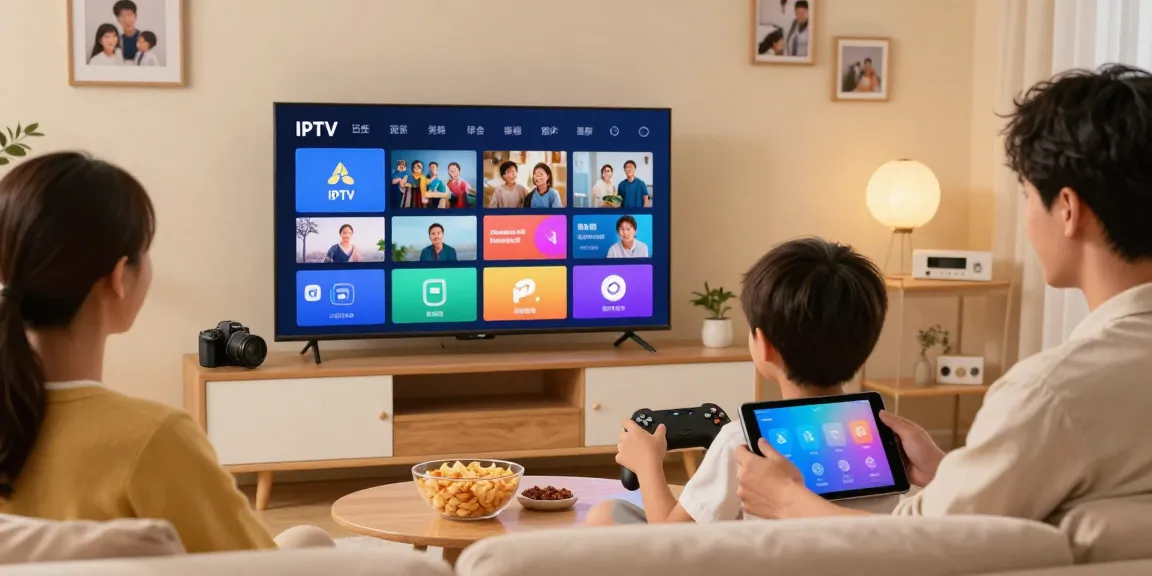
Understanding IPTV: The Future of American TV
As we step into 2026, the landscape of television viewing in the United States is undergoing a dramatic transformation. Traditional cable packages, once the cornerstone of home entertainment, are rapidly losing ground to newer technologies, chiefly Internet Protocol Television (IPTV). The new wave of IPTV American services offers viewers a more flexible, cost-effective way to enjoy their favorite shows and sports without the constraints imposed by traditional providers. When exploring options, find out more here about how these services are changing viewing habits.
What is IPTV and How Does it Work?
IPTV, or Internet Protocol Television, represents a technological shift in how television content is delivered. Unlike traditional broadcast methods, IPTV transmits content over the internet, allowing users to stream live TV and on-demand programming directly to their devices. The typical setup involves subscribing to an IPTV provider, downloading an IPTV player app, and entering login credentials to access a vast array of channels and shows.
The Shift from Cable to IPTV Services
The transition from cable television to IPTV services is driven primarily by the rising costs associated with traditional cable packages. American households are now spending upwards of $150 per month for bundles that include channels they rarely watch. This hefty price tag, along with ongoing rental fees for hardware and hidden costs, has led many viewers to seek more affordable alternatives. IPTV services, which often provide extensive channel lineups and on-demand content at a fraction of the cost, have become a compelling solution.
Benefits of IPTV for American Households
One of the most significant advantages of IPTV is its affordability. With a single subscription, viewers gain access to thousands of channels, including international content, sports, and news, all for a fraction of traditional cable prices. IPTV services also offer increased accessibility, allowing users to watch their favorite shows on various devices—Smart TVs, tablets, smartphones, and computers—no matter where they are. Moreover, the absence of contracts means that viewers enjoy unmatched flexibility, opting for monthly or annual plans according to their preferences.
Choosing the Right IPTV Provider in 2026
As the IPTV market continues to expand, selecting the right provider becomes crucial in ensuring a satisfactory viewing experience. This involves assessing several key features and determining which service best aligns with your viewing habits.
Key Features to Look for in an IPTV Service
- Content Variety: Look for providers that offer a wide range of channels, including local networks, sports, entertainment, and international programming.
- Stream Stability: Ensure the provider has a proven record for reliability, especially during peak viewing times.
- Quality of Streaming: Support for HD and 4K streaming should be non-negotiable.
- Device Compatibility: The service should work seamlessly across various platforms, including Smart TVs, Android, iOS, and desktop devices.
- Customer Support: Having access to responsive customer service can significantly enhance the user experience.
Comparing Pricing and Channel Offerings
Pricing plays a pivotal role in deciding on an IPTV service. Below are a few examples to compare:
- Livetvfortv.org: The best overall service, offering over 15,000 live channels and 100,000+ on-demand titles, starts at just $5.83/month on a 12-month plan.
- TVLiveFutbol.com: Ideal for sports enthusiasts, this service includes 18,000 channels, specializing in both US and international sports for $8.33/month on the annual plan.
- USEmpireTV.us: For those seeking a premium experience, this service provides 20,000 channels with 150,000 on-demand options, available for about $12.49/month with an annual contract.
Top Recommended IPTV Providers for American Viewers
Based on extensive testing, the following three providers stand out in terms of quality, content variety, and pricing:
- Livetvfortv.org – Best Overall IPTV American Service: This service offers top-notch reliability and a massive selection of over 15,000 channels with a fantastic price point.
- TVLiveFutbol.com – Best for Sports Fans: Perfect for those who can't get enough of sports, TVLiveFutbol.com covers multiple leagues and offers strong stream quality.
- USEmpireTV.us – Best Premium Option: For viewers wanting the most extensive content library, USEmpireTV.us is unmatched, boasting a vast array of channels and titles.
Enhancing Your IPTV Experience
After selecting an IPTV provider, optimizing your viewing setup and experience is vital to getting the most out of your investment.
Device Compatibility and Setup Tips
To begin, ensure that the devices you plan to use are compatible with your chosen IPTV service. Most services support various platforms, but it's crucial to verify compatibility with Smart TVs, smartphones, or streaming devices such as Firestick. Follow the setup guides provided by your service to ensure a smooth installation process, including downloading the necessary apps and entering your subscription details correctly.
Maximizing Streaming Quality with Internet Speeds
Internet speed is a pivotal factor in determining the quality of your IPTV streaming experience. For standard HD viewing, a minimum speed of 25 Mbps is generally sufficient, while 50 Mbps is recommended for 4K content. Most American households easily meet these requirements with standard broadband plans, making high-quality streaming accessible for nearly everyone.
Utilizing EPG and On-Demand Content Efficiently
Many IPTV services come equipped with Electronic Program Guides (EPG) that help you navigate available content easily. Familiarizing yourself with these guides will enable you to plan your viewing better. Moreover, take advantage of on-demand content libraries to watch shows at your convenience, ensuring you never miss out on your favorites.
Common Challenges with IPTV Services
While IPTV services offer a modern solution to television viewing, they are not without their challenges. Understanding these problems can help prepare you for a smoother experience.
Dealing with Streaming Issues and Buffering
Buffering can occur due to various factors, including poor internet connection, incompatible devices, or server issues from the IPTV provider. To mitigate these problems, consider using a wired internet connection rather than relying on Wi-Fi, and always ensure your device firmware is updated.
Understanding Legal Aspects of IPTV Usage
As IPTV services gain traction, the legal landscape surrounding them remains complex. It's essential to research your provider to ensure they operate within legal boundaries. Services that offer a legitimate selection of channels and content libraries typically provide the best assurance against potential legal issues.
Navigating Customer Support and Troubleshooting
In the digital age, the quality of customer support can make or break your IPTV experience. Make sure your chosen provider offers efficient customer service, including live chat, email, or phone support, to address any issues promptly. Familiarize yourself with common troubleshooting steps, as many problems can often be resolved on your own.
The Future of IPTV in America: Trends and Predictions
Looking ahead, the future of IPTV in America seems bright, driven by continuous technological advancements and evolving viewer preferences.
Upcoming Innovations in IPTV Technology
Innovations in IPTV technology are set to enhance the viewing experience even further. Expect developments in AI-based content recommendations, augmented reality integration for immersive viewing, and improvements in streaming quality as bandwidth capacities increase across the network.
Growing Content Libraries and International Channels
The demand for diverse content is on the rise, prompting IPTV providers to expand their libraries of international channels and on-demand titles. This trend will enable viewers to explore programming from various cultures, enriching their viewing options.
Preparing for Changes in Viewer Habits and Preferences
As younger audiences continue to embrace digital streaming and on-demand viewing, IPTV services must adapt their offerings to meet these shifting preferences. This may include personalized viewing experiences, integration with social media platforms, and more interactive features.
How Can IPTV Services Adapt to Audience Needs?
To remain competitive, IPTV providers must listen closely to their audiences, continually improving their offerings and user interfaces based on viewer feedback. This adaptability will ensure that the services not only meet current demands but are also equipped to innovate as technologies evolve.