Understanding Electric Chain Hoist Cranes
In the world of industrial lifting solutions, electric chain hoist cranes stand out for their efficiency, versatility, and power. These hoists are engineered to lift heavy loads with precision, making them invaluable in construction, manufacturing, and warehouse operations. As industries gravitate towards automation to enhance productivity and safety, electric chain hoists are becoming increasingly popular due to their ability to streamline operations with minimal human intervention. This article delves into the features, advantages, and best practices surrounding electric chain hoist cranes, providing you with the knowledge needed to select and operate these crucial industrial tools effectively.
What is an Electric Chain Hoist Crane?
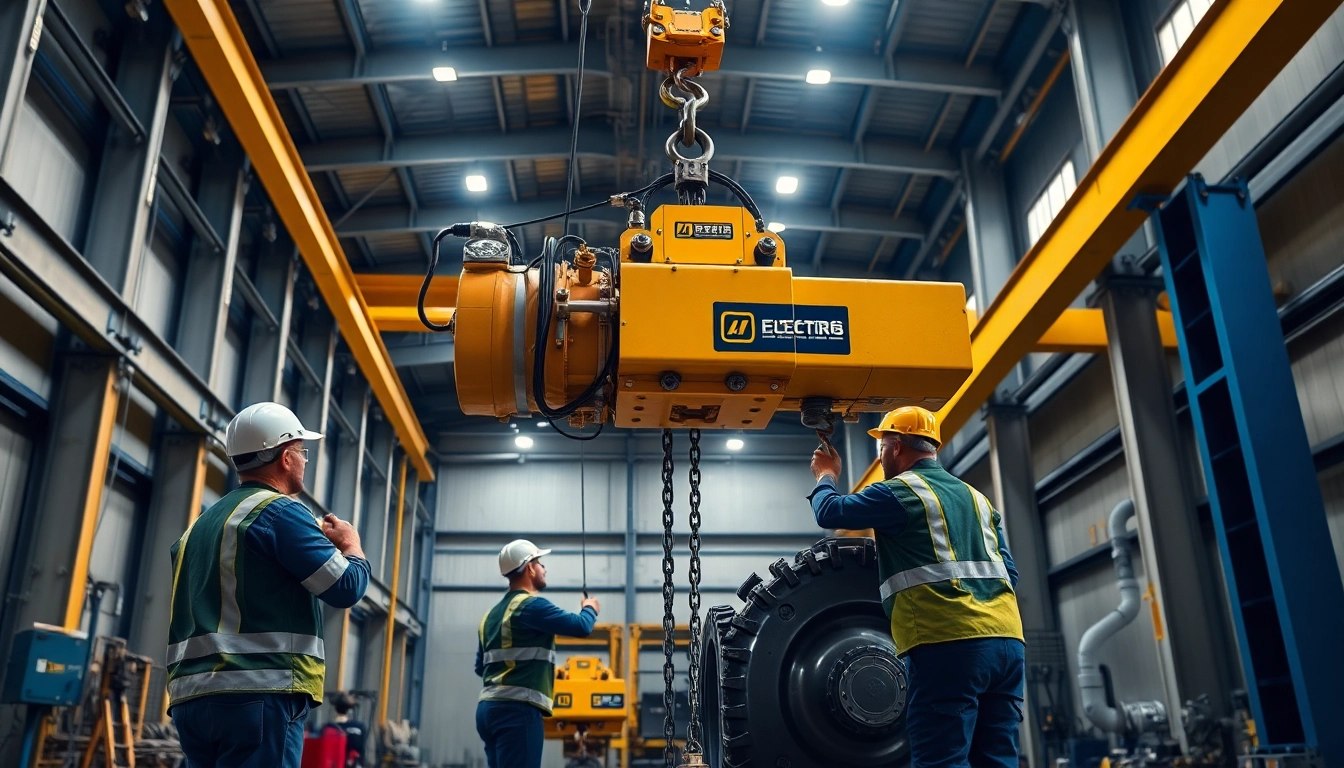
An electric chain hoist crane is a type of lifting device powered by electric motors that utilizes a chain mechanism to lift and lower heavy objects. Unlike manual hoists, which require physical effort to operate, electric chain hoists offer effortless lifting capabilities, making them suitable for heavy and frequent use. The basic components of an electric chain hoist crane include:
- Electric Motor: Powers the lifting mechanism.
- Chain: Used for lifting and lowering loads.
- Hook: Connects the load to the hoist.
- Control System: Allows operators to manage the lifting process with precision.
Electric chain hoists can lift loads ranging from a few hundred pounds to several tons, depending on the model and specifications. They can be mounted on trolleys, making them adaptable to various rail systems, further enhancing their lifting capabilities.
Key Differences Between Manual and Electric Chain Hoists
Understanding the differences between manual and electric chain hoists is essential when considering which type best suits your operations. Here are the primary distinctions:
- Operation: Manual hoists require human effort to lift and lower loads, making them suitable for smaller, infrequent lifting tasks. Electric hoists, in contrast, use electric motors to handle heavier and more frequent loads efficiently.
- Speed: Electric chain hoists operate at a higher speed compared to manual hoists, allowing for faster cycle times and improved productivity.
- Efficiency: Electric models reduce operator fatigue and improve safety by minimizing physical strain, while manual hoists may lead to slower operations and increased risk of injury.
- Control: Electric chain hoists offer precise control over load movement, making them ideal for applications requiring a high level of accuracy.
How Electric Chain Hoists Enhance Industrial Efficiency
The efficiency of electric chain hoists has a profound impact on industrial operations. By integrating electric chain hoists into your lifting processes, you can expect:
- Improved Productivity: With faster lifting speeds and reduced cycle times, electric hoists maximize output in manufacturing environments.
- Enhanced Safety: Automated lifting reduces the risk of accidents related to manual handling of heavy loads.
- Lower Operational Costs: Although electric hoists may involve an initial investment, their efficiency leads to long-term savings through decreased labor costs and minimized downtime.
- Adaptability: Many electric chain hoists can be customized to suit specific applications, enhancing their functionality across various settings.
Choosing the Right Electric Chain Hoist Crane
As industries evolve, the demand for electric chain hoists continues to grow. Selecting the right model is crucial for optimizing performance and safety. Here are some essential factors to consider:
Factors to Consider When Selecting Your Electric Chain Hoist
- Load Capacity: Assess the weight of the loads you intend to lift. Electric chain hoists are available in a variety of capacities, from small 0.5-ton models to heavy-duty options lifting up to 20 tons or more.
- Lift Height: Determine the maximum height required for your lifting tasks. Ensure your chosen hoist can accommodate your needs.
- Power Source: Electric chain hoists can be designed for various power sources, including single-phase or three-phase electricity. Select one that aligns with your facility's electrical setup.
- Speed Settings: Look for hoists that offer multiple speed settings for enhanced control during lifting and lowering operations.
- Integrated Safety Features: Choose models equipped with safety features such as overload protection, automatic shut-offs, and emergency stop buttons to ensure safe operation.
Top Brands and Models for Electric Chain Hoist Cranes in 2025
Several manufacturers lead the market in electric chain hoists. Brands like Harrington, CM, and Yale are known for their quality and durability. Here are some top models to consider:
- Harrington ER2 Series: Known for heavy-duty lifting with exceptional durability.
- CM Lodestar Electric Chain Hoist: Offers versatile lifting capabilities with integrated safety features.
- Yale Global King: A robust hoist suitable for tough industrial environments.
- Demag DMR: Renowned for advanced technology and high operational safety.
Capacity and Load Requirements: Finding the Perfect Fit
Selecting an electric chain hoist that matches your specific load requirements is critical. To determine the ideal capacity:
- Assess the maximum weight of the loads you'll be frequently lifting.
- Consider dynamic loads and any potential fluctuations in weight.
- Factor in safety margins, generally recommending a capacity of 1.5 times the maximum load.
Best Practices for Operating Electric Chain Hoist Cranes
Once you have selected the appropriate electric chain hoist crane, understanding best operational practices will promote safety and efficiency on your job site. Follow these guidelines:
Safety Protocols for Using Electric Chain Hoists
- Proper Training: Ensure that all operators undergo comprehensive training on the specific model being used, including its controls and safety features.
- Daily Inspections: Conduct daily checks for wear and tear, including chains, hooks, and electrical components.
- Clear Communication: Use hand signals or communication devices to ensure operators and ground personnel are aware of lifting activities.
- Load Limits: Never exceed the rated capacity of the hoist, as this could result in catastrophic failure.
Maintenance Tips for Longevity and Reliability
Regular maintenance extends the life of your electric chain hoist crane. Consider these maintenance practices:
- Lubricate moving parts according to the manufacturer's instructions.
- Inspect and replace worn components proactively.
- Keep the hoist clean and free from debris that could interfere with operations.
- Schedule professional inspections at least annually to ensure compliance with safety regulations.
Common Mistakes to Avoid When Operating Hoists
To optimize the performance and safety of electric chain hoists, avoid these pitfalls:
- Neglecting regular maintenance and inspections.
- Overloading the hoist beyond its rated capacity.
- Ignoring safety protocols and proper training.
- Using the hoist in unsuitable environments that violate manufacturer guidelines.
Real-World Applications of Electric Chain Hoist Cranes
Electric chain hoists are employed across a wide range of industries, significantly enhancing productivity and efficiency. Common applications include:
Industries Relying on Electric Chain Hoists
- Manufacturing: Used for assembly lines, lifting heavy machinery parts, and material handling.
- Construction: Essential for lifting steel beams, precast concrete, and other structural materials.
- Warehousing: Useful for moving pallets and heavy goods safely and efficiently.
- Automotive: Employed in vehicle assembly and repair processes.
Case Studies: Successful Implementation in Manufacturing
To illustrate the impact of electric chain hoists, consider the following case studies:
- A leading automotive manufacturer implemented electric chain hoists for engine assembly, reducing lifting time by 30% and decreasing workplace injuries by 25%.
- A construction firm utilized electric hoists for steel erection, leading to faster project completion and improved safety compliance.
Future Trends in Electric Chain Hoist Technology
As technology advances, electric chain hoists are evolving with innovations such as:
- Smart Technology: Integration of IoT features for real-time monitoring and diagnostics.
- Energy Efficiency: Development of energy-efficient motors that reduce power consumption.
- Enhanced Safety Features: Continued emphasis on safety technology to prevent accidents and improve operational safety.
Measuring the Performance of Electric Chain Hoist Cranes
To ensure that your electric chain hoist crane operates at peak efficiency, consider the following performance metrics:
Key Performance Indicators for Hoist Efficiency
- Uptime: Measure the operational availability of the hoist versus downtime for maintenance.
- Load Turnover Rate: Track the number of lifts completed within a specified time frame.
- Operator Efficiency: Assess how effectively operators are using the hoist to perform lifting tasks.
How to Enhance Productivity with Electric Hoists
Boosting productivity can be achieved by:
- Implementing regular training programs for operators to enhance their skills.
- Utilizing hoists with adjustable speed settings for different lifting tasks.
- Adopting preventive maintenance to minimize downtime and ensure consistent performance.
Evaluating ROI on Electric Chain Hoist Investments
To determine the return on investment (ROI) for electric chain hoists, consider:
- Initial purchase cost versus operational savings from reduced labor and enhanced productivity.
- Safety improvements resulting in lower accident rates and associated costs.
- Longevity and durability of the hoists, leading to reduced replacement costs over time.