
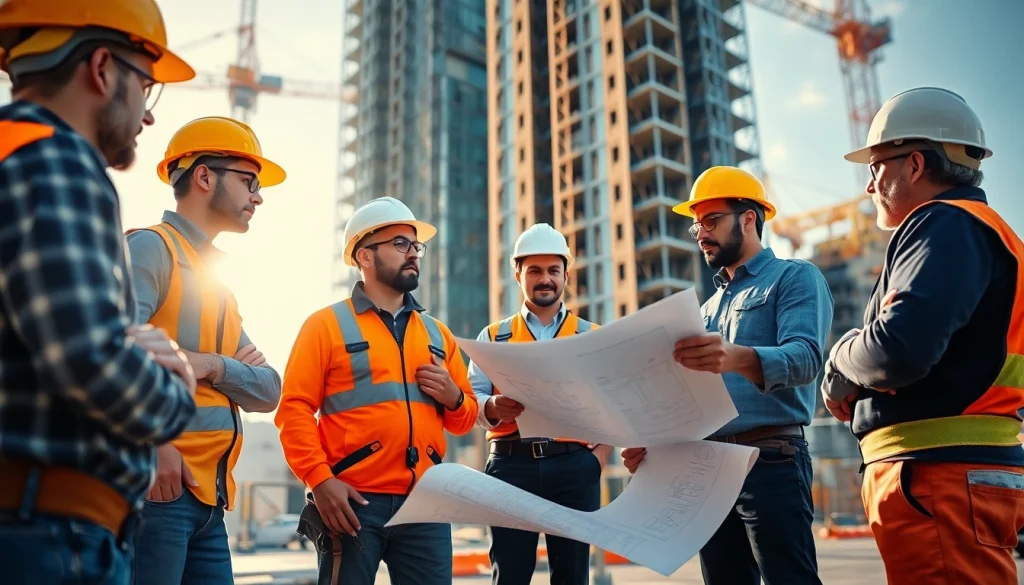
Understanding the Role of a New York Commercial General Contractor
Definition and Responsibilities
A New York Commercial General Contractor serves as the primary entity responsible for overseeing the construction process from start to finish. This includes project planning, execution, and ultimately ensuring that the vision meets reality. Broadly, their responsibilities encompass managing schedules, budgets, subcontractors, materials procurement, compliance with local regulations, and maintaining safety standards on the job site. They act as liaisons between clients, architects, engineers, and subcontractors, ensuring all parties work collaboratively towards mutual goals.
Importance in Construction Projects
The role of a commercial general contractor is pivotal in construction projects as they are accountable for delivering quality work within the allotted time frame and budget. They not only carry out the physical building processes but also mitigate risks by conducting regular assessments and adapting project plans according to unforeseen challenges. Their expertise can lead to innovative solutions that enhance energy efficiency, environmental sustainability, and overall functionality of the completed project.
Key Skills and Qualifications
To excel as a New York Commercial General Contractor, one must possess a diverse skill set and adequate qualifications. Essential skills include effective communication, project management, financial acumen, knowledge of building codes, and strong problem-solving abilities. Formal education in construction management, civil engineering, or architecture, paired with relevant certifications such as the Project Management Professional (PMP) or a Licensed General Contractor’s designation, can also enhance a contractor’s credibility.
How to Select the Best New York Commercial General Contractor
Assessing Experience and Portfolio
When searching for the right contractor, it is vital to assess their experience and review their portfolio. Experienced contractors are better equipped to handle the unique challenges that New York’s bustling construction landscape presents. Requesting case studies or examples of past projects, particularly those similar in scope and nature to your own, can provide insights into their capabilities. It is advantageous to look for contractors who have worked extensively within your project’s specific industry—be it hospitality, retail, healthcare, or another sector.
Requesting References and Reviews
Don’t hesitate to ask for references from previous clients. Speak directly to these individuals about their experiences, specifically regarding the contractor’s communication style, problem-solving effectiveness, and how they adhered to budgets and timelines. Online reviews and testimonials can also offer valuable perspective, but they should be considered in conjunction with firsthand accounts to obtain a well-rounded view.
Evaluating Communication Skills
Effective communication is crucial in the construction process. An ideal contractor should be able to articulate ideas clearly, provide consistent updates, and respond promptly to inquiries or concerns. Observing their communication style during initial meetings can give prospective clients a good gauge of how well they prioritize collaboration and transparency throughout the project.
Common Challenges with New York Commercial General Contractors
Budget Overruns and Timely Completion
One of the most common challenges in construction projects is staying within budget and finishing on schedule. Several factors contribute to these issues, including scope creep, unforeseen complications, and inflation of material costs. It is essential to have a detailed contract that includes provisions for budget adjustments, as well as clear timelines with milestones that the contractor agrees to meet.
Navigating Compliance and Regulations
New York has stringent building codes and regulations that a New York Commercial General Contractor must navigate expertly. Non-compliance can lead to costly delays and potential legal issues. It is critical to ensure that your selected contractor has a thorough understanding of these regulations, and holds the relevant licenses and insurance. They must also be adept at managing permits and inspections throughout various stages of the project.
Managing Contractor Relationships
Maintaining positive relationships with subcontractors can impact the successful execution of a project. Occasionally, contractors can face disputes or conflicts amongst the subcontracted teams. Open lines of communication, regular team meetings, and conflict resolution plans can help manage relationships effectively. A good contractor will prioritize fostering an environment of cooperation, ensuring everyone is working harmoniously toward the project’s goals.
Best Practices for Working with a New York Commercial General Contractor
Establishing Clear Expectations
At the onset of a project, setting clear expectations with your contractor is vital. This includes establishing specific goals, deadlines, and quality standards. Drafting a comprehensive scope of work that outlines every detail can mitigate misunderstandings and provide a point of reference throughout the construction process. This will serve as both a roadmap and contract between parties, ensuring everyone is aligned.
Implementing Effective Communication Channels
Creating effective communication channels is essential for minimizing misunderstandings. Consider utilizing project management tools to streamline communication. Applications that allow for sharing documents, photos, and updates can keep everyone informed and engaged. Regular check-ins and meetings can also help maintain transparency, enabling issues to be addressed before they escalate.
Utilizing Project Management Tools
Adopting project management tools can optimize the construction process and improve collaboration. Such tools allow for real-time progress tracking, scheduling, and resource allocation. Additionally, they support budget management and invoicing processes—essential for keeping the project on track financially. By enhancing organization and accountability, both parties can focus on quality outcomes rather than administrative details.
Performance Metrics for Evaluating a New York Commercial General Contractor
Time Management Evaluation
Measuring a contractor’s efficiency begins with evaluating their ability to adhere to the project timeline. Tools such as Gantt charts can help outline project phases and deadlines. By examining how often milestones are met or missed, you can gauge the contractor’s reliability and aptitude for time management.
Budget Adherence and Cost Control
Cost control is crucial in determining contractor performance. Tracking expenses against the projected budget can highlight areas of concern. A successful contractor consistently meets budget expectations, making adjustments without compromising quality. By requiring detailed progress reports, clients stay informed about financial trends throughout the project.
Quality of Work and Client Satisfaction
Ultimately, the quality of the completed project and client satisfaction are the most important benchmarks for evaluating a contractor. Conducting post-project surveys or reviews with stakeholders can provide insights into the overall performance from both a cost and satisfaction perspective. Additionally, regularly reviewing work samples can ensure that the project meets the desired standards and aligns with the original vision.