Understanding Commercial Roofing Services
Defining Commercial Roofing Services
Commercial roofing services encompass a range of solutions tailored to the unique requirements of commercial properties, including offices, warehouses, retail spaces, and manufacturing facilities. These services include installation, repair, and maintenance of various types of roofing systems designed to meet the demands of larger-scale buildings. Unlike residential roofing, which typically deals with pitched roofs, commercial roofing often involves flat or low-slope designs, and encompasses various materials such as TPO, EPDM, PVC, metal, and built-up roofing systems.
Benefits of Professional Roofing Services
Utilizing professional commercial roofing services provides numerous advantages, including:
- Quality Assurance: Professionally installed roofing systems tend to last longer and provide better protection against weather elements.
- Expert Knowledge: Experienced roofers can assess specific business needs and recommend the most suitable materials and designs.
- Cost Efficiency: Although the initial investment may seem steep, high-quality installations reduce the likelihood of future repairs and replacements, saving money in the long run.
- Time Savings: Professionals can complete roofing projects more efficiently, minimizing disruptions to business operations.
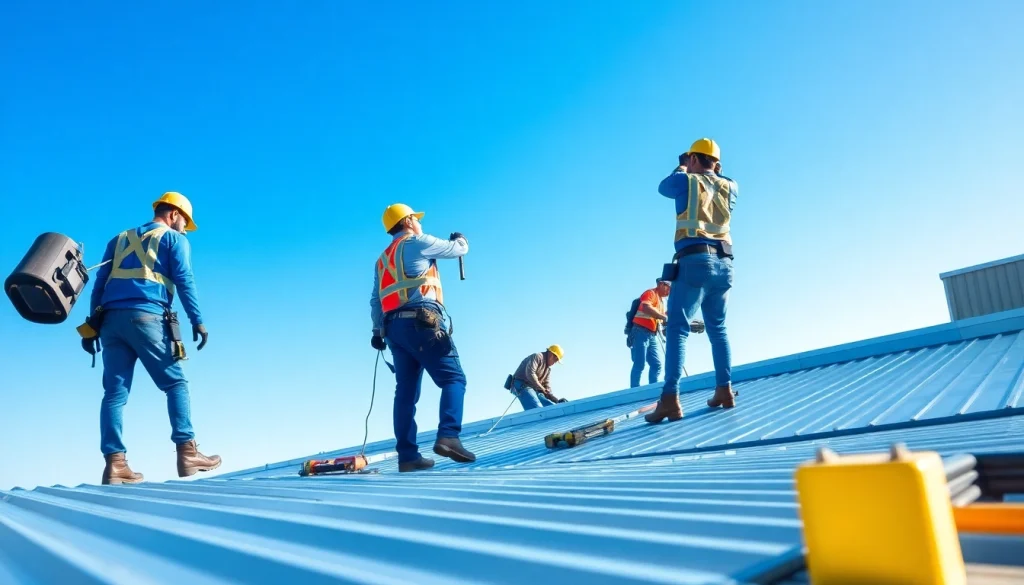
- Safety: Professional contractors follow safety protocols that protect workers and onsite personnel, significantly reducing accident risks.
Types of Commercial Roofing Systems
Understanding various commercial roofing systems is vital for businesses looking to invest in a new roof or maintenance solutions. Here are some commonly used types:
- TPO (Thermoplastic Olefin): Known for its reflective properties and energy efficiency, TPO is a single-ply membrane that is lightweight and easy to install.
- EPDM (Ethylene Propylene Diene Monomer): A durable synthetic rubber roofing membrane, EPDM is appreciated for its weather resistance and long lifespan.
- PVC (Polyvinyl Chloride): Similar to TPO, PVC is also a single-ply membrane but is often used in situations that require chemical resistance.
- Built-Up Roofing (BUR): Comprising layers of asphalt and felt, BUR systems are reliable and typically consist of multiple ply layers for improved durability.
- Metal Roofing: Metal roofs are gaining popularity due to their durability and longevity. Available in various styles like standing seam, corrugated, and metal tiles, they are also energy-efficient.
- Green Roofing: This eco-friendly option incorporates vegetation and soil into the roofing system, offering aesthetic appeal and improved insulation.
Choosing the Right Commercial Roofing Services
Evaluating Contractors for Commercial Roofing Services
Selecting a reputable contractor is crucial for ensuring the longevity and performance of a roofing investment. Here are key elements to consider when evaluating potential roofing contractors:
- Experience: Look for contractors with a robust portfolio and proven track record in commercial roofing projects.
- Licensing and Insurance: Ensure that the contractor is licensed to operate in your area and carries necessary insurance to protect against liabilities.
- References and Reviews: Request references and check online reviews to gauge customer satisfaction and project quality.
- Material Options: A good contractor should offer various roofing materials and provide insight into the benefits of each.
- Warranties: Reliable companies usually provide warranties on both materials and workmanship; ensure you understand the terms.
Key Questions to Ask Roofing Contractors
Before hiring a contractor, it’s vital to ask the right questions to ensure clarity and alignment. Here are essential questions to consider:
- What type of roof systems do you specialize in?
- Can you provide a detailed written estimate?
- What is the expected timeline for project completion?
- Will you handle the necessary permits and inspections?
- How will you protect my property during the roofing process?
- Do you offer any aftercare or maintenance services?
Understanding Pricing and Estimates
Pricing for commercial roofing services can vary greatly based on several factors, including roof size, slope, material choice, and labor costs. Understanding how to interpret estimates can assist businesses in making informed decisions. Here are some elements to consider:
- Material Costs: Different roofing materials come with varying costs; a detailed estimate should breakdown these components.
- Labor Costs: This includes the installation time and the expertise required. High-quality work often demands higher labor expenses.
- Additional Fees: Be aware of any potential extra charges such as permit fees, disposal costs, or unexpected repairs once the project starts.
- Maintenance Costs: Consider future maintenance in the price estimates, as some roof types require more upkeep than others.
Maintenance and Care for Commercial Roofing Services
Importance of Regular Inspections
Regular inspections are critical for maintaining the integrity of commercial roofs. Scheduling consistent checkups allows for the early detection of potential problems, which can save businesses from costly repairs later. Inspections should ideally be conducted at least twice a year and after significant weather events like storms or heavy snowfall. Key aspects to evaluate during inspections include:
- Signs of water damage or leaks.
- Condition of flashing and seams.
- Debris accumulation and its impact on drainage.
- Surface wear and tear, including cracks or blisters.
Common Maintenance Practices
To prolong the life of a commercial roof, routine maintenance activities should be implemented, including:
- Cleaning Debris: Regularly remove leaves, branches, and other debris that can trap moisture and lead to algae or moss growth.
- Clearing Gutters and Drains: Ensuring that gutters and drainage systems are clear prevents water pooling, which can lead to leaks or structural damage.
- Checking Sealants and Flashing: Inspect and repair any worn-out sealants or flashing to avoid water ingress.
- Applying Roof Coatings: Consider applying reflective coatings to boost energy efficiency and protect the roof’s surface from UV damage.
Signs You Need Emergency Roofing Services
In some scenarios, immediate intervention is required to address critical roofing issues. Signs that warrant prompt emergency roofing services include:
- Water leaks appearing inside the building.
- Visible sagging or soft spots in the roof structure.
- Major storm damage, such as missing shingles or punctures.
- Clear signs of mold growth or water pooling.
The Future of Commercial Roofing Services
Innovations in Roofing Materials
The commercial roofing sector is witnessing continual technological advancements, particularly in roofing materials. Innovations aim to enhance durability, energy efficiency, and sustainability. Some notable advancements include:
- Self-Sealing Systems: New materials that seal themselves upon exposure to heat or sunlight are reducing installation errors and boosting longevity.
- Reflective and Energy-Efficient Materials: These materials help reduce cooling loads in commercial buildings, providing significant energy savings.
- Integrated Solar Solutions: Roofing materials that incorporate solar technologies are becoming more common, allowing businesses to generate renewable energy directly from their rooftops.
Green Roofing Solutions
As sustainability becomes increasingly critical, green roofing solutions are emerging as a popular alternative for commercial properties. These roofs come with several advantages:
- Environmental Benefits: They reduce heat island effects, improve air quality, and aid in stormwater management.
- Energy Savings: By insulating buildings and reducing reliance on heating and cooling systems, green roofs can significantly lower energy bills.
- Increased Property Value: Properties equipped with green roofs can see a boost in market value due to their ecological and aesthetic appeal.
The Impact of Technology on Roofing Services
The incorporation of advanced technologies is reshaping how commercial roofing services are delivered. Technologies such as drones are used for detailed inspections, providing real-time data without the need for scaffolding. Furthermore, project management software aids in weather tracking, scheduling, and communication between contractors and clients, enhancing efficiency.
Smart roofing solutions, such as systems equipped with sensors, can monitor roof health and alert property managers to potential issues like leaks or structural weaknesses, allowing for proactive maintenance efforts.
Conclusion: Making Informed Decisions for Commercial Roofing Services
Recap of Key Considerations
Engaging with commercial roofing services requires a thorough understanding of roofing systems, material options, contractor evaluation, and ongoing maintenance. By considering these factors, businesses can protect their investments and ensure long-lasting roofing solutions. Additionally, leveraging modern technologies can help streamline the roofing process and enhance overall building performance.
Encouraging Proactive Roofing Management
Implementing proactive management strategies, including regular inspections and maintenance, is crucial for preventing significant problems down the line. Educating property managers on the best practices in commercial roofing will lead to optimal roof performance, increased energy efficiency, and reduced operational costs.
Resources for Further Learning
For businesses seeking to deepen their understanding of commercial roofing solutions or looking for professional advice, numerous resources are available. Industry publications, online forums, and local roofing experts can provide valuable insights and assistance tailored to specific roofing needs.