
Understanding Wildfire Events
What Defines Wildfire Events?
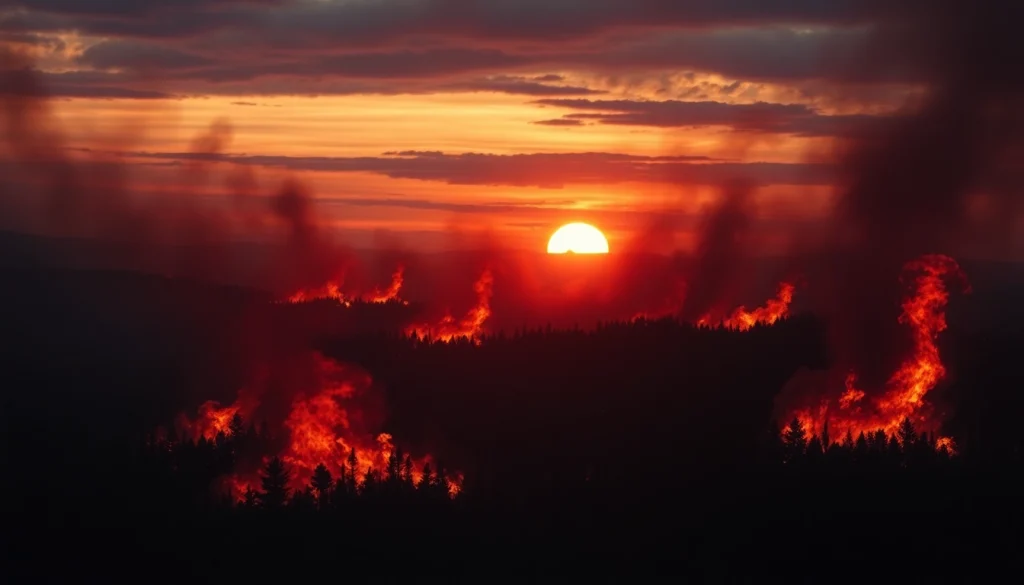
Wildfire events are uncontrolled fires that occur in natural areas such as forests, grasslands, and brush. They can be sparked by natural occurrences like lightning or human activities such as campfires, discarded cigarettes, or even arson. These fires can spread rapidly, fueled by dry conditions, wind, and available vegetation. The classification of wildfire events reflects their intensity, size, and potential impact on the environment and communities. In essence, Wildfire events represent a complex intersection of ecological processes, human behavior, and climate variability.
The Natural and Human Causes of Wildfire Events
Wildfires are ignited by a combination of natural and human factors. Natural causes primarily include lightning strikes, which can spark fires in areas where conditions are dry and windy. In contrast, human-induced causes may account for up to 85% of wildfires, with activities ranging from campfires and fireworks to discarded cigarettes and deliberate arson. Additionally, factors such as agricultural practices that involve burning field residues and poorly managed land can exacerbate the risk of wildfires. Understanding these causes is crucial for developing effective prevention strategies.
Types of Wildfire Events
Wildfire events can be categorized based on their characteristics and behavior. Some common types include:
- Surface Fires: These fires burn along the forest floor, consuming grasses and low shrubs but rarely threatening mature trees.
- Crown Fires: In contrast, crown fires burn through the tops of trees and can be devastatingly fast-moving, particularly in dry, windy conditions.
- Ground Fires: These fires burn underneath the surface layer of vegetation, often in peat or soil, and can smolder for long periods, making them difficult to detect.
- Prescribed Fires: These are intentionally set under controlled conditions to reduce fuel buildup and improve ecosystem health.
Current Trends in Wildfire Occurrences
Statistics and Recent Case Studies
Recent statistics reveal alarming trends regarding wildfire occurrences. For instance, the National Interagency Fire Center reports an increase in the number of large wildfires across various regions. In recent years, areas that traditionally experienced less fire activity are now witnessing a surge in wildfire events, driven largely by climate change and shifting ecological patterns. In a relevant case study, the devastating effects of the 2020 California wildfires, which burned millions of acres and destroyed homes, underscore the increasing peril of these events.
Geographic Areas Most Affected by Wildfire Events
Specific geographic regions are more susceptible to wildfire events, particularly areas characterized by dry climates and dense vegetation. The American West, particularly California, Oregon, and Washington, frequently experiences significant wildfire activity. Other global hotspots include parts of Australia, Mediterranean climates, and regions in South America. These areas are often at increased risk during dry seasons when humidity levels drop, and winds pick up, creating ideal conditions for wildfires to start and spread.
Climate Change and Its Role in Increasing Wildfire Events
Climate change plays a substantial role in the frequency and severity of wildfire events. Rising temperatures, prolonged droughts, and shifting rainfall patterns contribute to dry landscapes that are more susceptible to ignition. As global temperatures continue to rise, scientists project that wildfire seasons will start earlier and last longer, presenting challenges for fire management and community safety. Addressing the impacts of climate change is essential for mitigating the risks associated with wildfire events.
Impacts of Wildfire Events
Environmental Consequences
Wildfires exert significant environmental impacts, ranging from habitat destruction to soil erosion. Healthy ecosystems rely on the balance of fire dynamics; however, intense wildfires can lead to the loss of biodiversity and disrupt entire habitats. The aftermath often includes increased runoff, reduced water quality, and long-term soil degradation. On the upside, some ecosystems, such as certain forests, benefit from periodic fires that help rejuvenate vegetation and stimulate growth.
Health Risks Associated with Wildfire Events
The health risks of wildfire events extend beyond immediate fire-related injuries. Smoke inhalation poses significant respiratory risks to affected communities, leading to increased hospital visits, respiratory illnesses, and long-term health complications. Vulnerable populations, including children, the elderly, and individuals with pre-existing health conditions, are particularly susceptible. Public health officials often urge people to take precautions during wildfire smoke events.
Economic Costs of Wildfire Events
Wildfire events can incur substantial economic costs, impacting local economies and state budgets. The direct costs associated with firefighting efforts are only the tip of the iceberg. Indirect costs include property damage, loss of business, healthcare expenses, and restoration of affected lands. For communities frequently impacted by wildfires, planning and funding for response and recovery efforts become crucial components of their economic strategy.
Preventing and Managing Wildfire Events
Community Preparedness Strategies
Community preparedness is pivotal in mitigating the risks associated with wildfire events. Strategies include creating emergency response plans tailored to local risks, conducting public awareness campaigns on fire safety, and ensuring that residents understand how to create defensible spaces around homes. Community drills and collaborations with fire departments enhance readiness and can significantly reduce potential impacts.
Developing Effective Fire Management Plans
Effective fire management plans consider various factors including the local ecosystem, community engagement, and resource allocation. These plans should involve mapping risk areas, establishing prevention programs, and defining clear protocols for fire response. Regular assessments and updates based on changing wildfire patterns and climate conditions help maintain the effectiveness of these plans.
Utilizing Technology to Monitor Wildfire Events
Advancements in technology have revolutionized wildfire monitoring and management. From satellite imagery that tracks fire spread in real-time to predictive modeling that estimates potential fire behavior, technology enhances preparedness and response capabilities. Drones equipped with thermal imaging can also be employed to assess hot spots and aid in firefighting efforts. Leveraging these technologies improves the efficiency and effectiveness of wildfire management.
The Future of Wildfire Events
Innovations in Wildfire Prevention
The future of wildfire prevention hinges on scientific innovations and community-driven initiatives. Research into new fire-resistant materials for buildings and landscape design can significantly reduce the risks associated with wildfire exposure. Additionally, community-based programs that foster native planting, selective logging, and controlled burns can contribute to healthier ecosystems while minimizing fire loads.
Legal and Policy Frameworks for Wildfire Management
Developing comprehensive legal and policy frameworks for wildfire management is crucial as wildfire occurrences increase. Policymakers must emphasize land management practices that prioritize fire prevention, funding for firefighting resources, and support for community education. Integrating scientific research into policy decisions helps create resilient communities equipped to handle the evolving threat of wildfire events.
Community Resilience Against Future Wildfire Events
Building community resilience is essential for addressing the ongoing challenges posed by wildfire events. Engaging residents in wildfire planning, investing in infrastructure improvements, and fostering local networks for sharing resources can significantly enhance community resilience. Ongoing education about fire safety and ecological stewardship empowers individuals to take part in preventing future wildfire events.
FAQs
What are wildfire events?
Wildfire events are uncontrolled fires occurring on undeveloped land that require suppression efforts. They can result from natural causes like lightning or human activities such as campfires.
How can communities prepare for wildfire events?
Communities can establish emergency response plans, conduct regular fire drills, and maintain defensible space around homes to prepare for wildfire events. Public awareness campaigns are also helpful.
What is the economic impact of wildfire events?
Wildfire events can lead to significant economic losses, including property damages, healthcare costs, firefighting expenses, and long-term restoration efforts. Communities face recovery challenges post-event.
Why are wildfire events becoming more frequent?
Factors contributing to the increased frequency of wildfire events include climate change, urban expansion into fire-prone areas, and forest management practices that lead to excessive fuel accumulation.
What innovations can help manage wildfire events?
Innovations such as improved monitoring technologies, advanced predictive models, and new firefighting techniques can aid in managing wildfire events more effectively and reducing overall damages.