









Understanding the Basics of Dog Training
Dog training is a fundamental aspect of responsible pet ownership, ensuring that your canine companion not only behaves well but also thrives in their environment. Understanding the different training techniques available is pivotal to establishing a harmonious relationship between you and your dog. Among the various methods, positive reinforcement has gained popularity due to its effectiveness and the bond it creates between dog and owner. For those keen on expanding their knowledge on training techniques, see more details from credible sources can provide you with a wealth of information.
What is Positive Reinforcement?
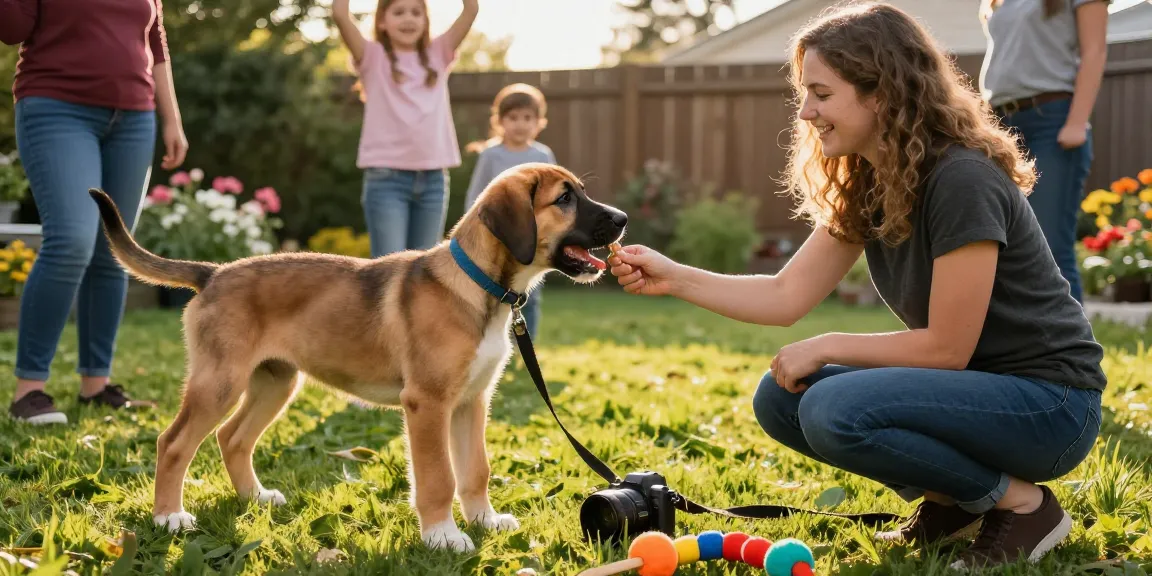
Positive reinforcement involves rewarding desirable behaviors to encourage their repetition. This method is effective for all breeds, including large dogs such as Great Danes, who may respond better to encouragement rather than harsh correction. Rewards can take various forms, including treats, praise, or playtime, and should be given immediately after the desired behavior to create a strong association.
Choosing the Right Training Techniques
Choosing a training technique depends on your dog’s personality, age, and prior experiences. Some owners find success with clicker training, while others may prefer more traditional methods. It’s essential to experiment and find the approach that works best for both you and your dog without compromising your dog’s mental health or well-being.
The Importance of Consistency in Training
Consistency is crucial in dog training. Using the same commands, rewards, and consequences helps your dog learn faster and with less confusion. It is beneficial for all family members to be on the same page regarding training techniques to reinforce desired behaviors and prevent mixed signals.
Common Challenges in Training Large Breeds
Training large breeds presents unique challenges due to their size and strength, which can often intimidate inexperienced trainers. Great Danes, for example, are gentle giants, but that doesn’t mean they don’t need proper training to manage their behavior effectively. Understanding common obstacles and how to tackle them can ease the training process.
Addressing Behavioral Issues with Great Danes
Great Danes may exhibit behavioral problems such as jumping, barking, or pulling on the leash due to their size. Early intervention and the establishment of boundaries are critical in addressing these issues. Training sessions should focus on redirecting undesirable behaviors while reinforcing good ones. Utilizing positive reinforcement techniques can effectively modify these behaviors over time.
Overcoming Training Obstacles: Patience and Persistence
Patience and persistence are vital virtues in dog training. Large breeds may take longer to respond to commands or learn new behaviors. It’s important for trainers to remain calm and consistent, understanding that every dog learns at their pace. Celebrate small victories and ensure that training remains a positive experience.
Common Misconceptions About Large Breed Training
Many misconceptions prevail regarding the training of large breeds, including the belief that they are too dominant or too stubborn to train effectively. However, with the right techniques and a touch of love, large breeds can be trained just as easily as smaller dogs. Understanding these misconceptions can empower owners to invest time and energy into proper training techniques.
Effective Strategies for Training Your Great Dane
Implementing effective training strategies can make the experience enjoyable for both the dog and the owner. Incorporating fun activities into training sessions can increase engagement and yield better results.
Step-by-Step Positive Reinforcement Techniques
To implement positive reinforcement, start with simple commands like “sit” or “stay.” Use a treat as a lure, and once the dog performs the desired action, reward them immediately. This method builds a connection between the command and the expected behavior, leading to better learning outcomes.
Incorporating Fun into Training Sessions
Training doesn’t have to be a chore. Incorporate games such as fetch or agility exercises to make learning fun. These activities not only strengthen your bond with your dog but also encourage them to learn through play, which is particularly effective for younger Great Danes.
Maintaining Focus and Attention During Training
Keeping your dog’s attention during training sessions is crucial, especially with larger breeds that can easily become distracted. Short, frequent sessions are more effective than lengthy ones. Using interactive toys or engaging them with their favorite game can help maintain focus during training.
Socialization and Life Skills for Great Danes
Socialization is a key component of raising a well-adjusted dog. Exposing your Great Dane to various environments, people, and other animals at an early age can help prevent behavioral issues later in life.
Importance of Early Socialization
Early socialization significantly impacts a dog’s development. It’s essential to introduce your Great Dane to different sounds, sights, and smells to help them become comfortable in various situations. Organizing playdates with other dogs or visiting dog parks can enhance their social skills.
Essential Life Skills Every Great Dane Should Learn
Aside from basic commands, teaching your Great Dane essential life skills such as walking politely on a leash, coming when called, and being comfortable in different situations is crucial. These skills not only ensure their safety but also promote good behavior in public and at home.
Real-Life Training Situations: Tips and Tricks
Implement training techniques in real-life scenarios to reinforce learning. For example, practice commands during walks or while guests are over to solidify responses in stimulating environments. Addressing training in various contexts helps your dog learn to generalize commands effectively.
Future Trends in Pet Training and Care
The landscape of pet training is evolving with advancements in technology and shifts in societal attitudes towards pet care. Staying informed about these changes can enhance your training strategies and overall pet care practices.
Technological Innovations Impacting Pet Training
Innovations such as training apps and smart collars that track your dog’s behavior are gaining popularity. These tools can reinforce training by providing real-time feedback and progress tracking, making training more efficient and tailored to individual needs.
Predictions for Pet Training Approaches in 2026
By 2026, we can expect even greater integration of technology in pet training. Virtual reality and augmented reality training simulations could revolutionize how we train dogs, making it more accessible and engaging. New training methodologies will likely emerge based on behavioral research, focusing on the emotional well-being of pets.
Expert Insights: What to Expect in Dog Training
Experts suggest that the future of dog training will emphasize compassion and understanding. Owners are becoming more aware of their dogs’ emotional and mental health, leading to training approaches that prioritize gentle guidance over punitive measures. Continued education and adaptation to new methods will remain essential.
What are the best methods for training a Great Dane?
The best methods for training a Great Dane involve a combination of positive reinforcement, consistency, and patience. Techniques that provide clear communication and engaging training sessions yield the best results. Always remember that each dog is unique, and adapting your approach to meet your dog’s needs is vital.
How can I improve my dog’s socialization skills?
Improving your dog’s socialization skills can be achieved by exposing them to varied environments and experiences from an early age. Regular interactions with other dogs and people, obedience classes, and controlled environments such as parks can significantly enhance their social capabilities.
What common mistakes do owners make in dog training?
Common mistakes in dog training include inconsistency in commands, impatience, and neglecting to reward good behaviors. Additionally, failing to socialize dogs adequately can lead to behavioral issues. Being aware of these pitfalls can help owners stay focused and effective in their training efforts.
How long should training sessions last?
Training sessions should be short yet frequent, ideally lasting between 5 to 15 minutes depending on the dog’s age and attention span. Young dogs, like Great Danes, may lose interest more quickly, so it’s better to have multiple short sessions throughout the day rather than one extended training session.
What trends should I watch for in pet care?
Trends to watch in pet care include a greater emphasis on holistic health approaches, including nutrition, mental stimulation, and emotional wellness. Sustainable pet products and an increase in pet-friendly technology are also anticipated to grow, enhancing both pet training and overall care.

